Craps for Beginners: Ranking the Best Bets from Low to High Risk

Craps can feel intimidating when you first approach the table, but understanding which bets give you the best chances can make the game a lot more fun and less stressful. With dozens of betting options available, it’s easy to feel overwhelmed. The good news is that not all bets are created equal. Some provide a better chance of winning and a lower house edge, while others are mainly for high-risk excitement. In this guide, we’ll break down the most common craps bets, rank them from best to worst for beginners, and give you practical tips to maximize your table experience.


Understanding the Basics of Craps Bets

Before diving into which bets are best, it’s important to understand the basic types of bets on the craps table. Familiarity with these bets will help you make smarter decisions and feel confident while playing.

Pass Line and Don’t Pass Line

The Pass Line bet is the most classic wager in craps. You place your chips on the Pass Line before the come-out roll, and you win if the shooter rolls a 7 or 11, or if the point is hit before a 7 after a point is established. Conversely, the Don’t Pass Line bet is essentially the opposite. You’re betting that a 7 will be rolled before the point is made. While it may feel counterintuitive to bet against the shooter, statistically, this bet has a slightly lower house edge, making it a smart choice for beginners.

Come and Don’t Come Bets

Once a point has been established, you can place a Come or Don’t Come bet. These work just like the Pass and Don’t Pass bets, except they are made after the point is set. A Come bet wins if the next roll is 7 or 11, or if the number you establish hits before a 7. The Don’t Come works in reverse. These bets allow you to stay active on the table even after the game has started and follow the same low-house-edge principles as Pass/Don’t Pass bets.

Place and Buy Bets

Place bets let you wager that specific numbers—4, 5, 6, 8, 9, or 10—will hit before a 7. They are placed directly on the numbered sections of the table layout, and payouts vary depending on the number. Buy bets are similar but offer better payouts for numbers like 4 and 10 if you pay a small commission, known as the vig. These bets provide flexibility and are ideal for players looking to focus on specific numbers while keeping their risk manageable.

One-Roll Bets and Other Fun Bets

Finally, there are bets like HardwaysField bets, and Any 7, which resolve on a single roll or have special conditions. They are high-risk, high-reward bets and should generally be approached with caution, especially for beginners. While the potential payouts are exciting, these wagers carry a significantly higher house edge and are better suited for thrill-seekers rather than consistent, strategic play.


How House Edge Affects Your Odds

Even if a bet seems like it has a 50/50 chance, the house always has a slight edge that affects your long-term winnings. Understanding this concept is essential for smart craps play.

What is House Edge?

The house edge is the statistical advantage the casino has on a given bet. It ensures the casino profits over time, even if players experience short-term wins. For example, a Place bet on 10 pays 9:5 instead of the true 2:1 odds. This slight difference represents the casino’s edge. While it may seem small, repeated bets over time favor the house.

Why It Matters for Beginners

For beginners, focusing on bets with a low house edge can preserve your bankroll and allow you to enjoy the game longer. High-house-edge bets might provide a rush of excitement, but they can drain your money quickly. Learning which bets are the most cost-effective is the key to building confidence and maintaining a positive experience at the table.


Ranking Craps Bets from Best to Worst

Now that we understand the basics and house edge, let’s rank the most common bets from best to worst for beginners.

Low House Edge (Best Bets)

The best bets provide the lowest house edge and offer steady chances of winning.

  • Don’t Pass / Don’t Come – house edge 1.36%. Slightly better than Pass/Come bets, these wagers favor the player slightly more over time.
  • Pass / Come – house edge 1.41%. These are classic, beginner-friendly bets with consistent, predictable outcomes.
  • Place 6/8 – house edge 1.52%. Place bets on these numbers hit frequently and pay 7:6, making them the most reliable Place bets on the table.

Focusing on these bets allows beginners to build confidence while limiting losses.

Medium House Edge (Moderate Risk)

These bets carry slightly higher risk but can yield moderate rewards:

  • Buy 4/10 – house edge 1.67% if the vig is paid. Offers improved payouts for 4 and 10, especially for higher stakes.
  • Place 5/9 – house edge 4.0%. Slightly riskier than Place 6/8, but still reasonable for steady play.
  • Field Bets – house edge 2.78–5.56%. These are fun for short-term excitement, as they pay immediately and sometimes double on certain rolls, but they are less predictable.

High House Edge (High-Risk Bets)

High-risk bets are mostly for thrill-seekers and not recommended for beginners focused on consistency:

  • Place 4/10 – 6.67% house edge. Hits less often than 6/8 but offers higher payouts.
  • Hardways – 9–11% house edge. Rarely hit but can pay big.
  • Big 6/8 – 9.09% house edge. Avoid these bets; Place 6/8 is a better alternative.
  • Any 7 – 16.67% house edge. Extremely risky and mostly a fun, high-stakes side bet.

By understanding the risk and payout of each bet, beginners can make more informed decisions at the table.


Tips for Beginner Craps Players

Knowing the best bets is only part of the game — here are some practical tips for beginners to maximize enjoyment and manage risk.

Start Small and Stick to Low House Edge Bets

Begin with small bets on Pass/Come, Don’t Pass/Don’t Come, or Place 6/8. These provide steady wins and minimize losses while you learn the flow of the table.

Avoid Temptation of Big Payouts at First

High-risk bets like Any 7, Hardways, or Place 4/10 may be tempting due to their large payouts, but they can deplete your bankroll quickly. Focus on consistency first.

Watch the Dice and Table Flow

Pay attention to how shooters roll and how points are established. Observing the table helps you understand timing for Come and Place bets.

Practice Online or with Friends

Electronic craps games or home versions are excellent ways to practice without risking real money. This allows you to become comfortable with the rules and betting options.


Conclusion

Craps is exciting, fast-paced, and full of betting options, but knowing which bets give you the best odds makes all the difference for beginners. Focusing on low-house-edge bets like Don’t Pass/Don’t Come, Pass/Come, and Place 6/8 can provide consistent wins and a positive learning experience. As you gain confidence, you can explore medium- and high-risk bets for added excitement. Remember, craps is as much about having fun as it is about strategy—enjoy the energy of the table and let the dice roll in your favor!


Frequently Asked Questions (FAQ)

Q1: Is Don’t Pass better than Pass Line?
A1: Slightly. Don’t Pass has a house edge of 1.36% compared to Pass Line’s 1.41%, giving you a very small statistical advantage over time.

Q2: Should beginners ever bet on Hardways or Any 7?
A2: These are high-risk, high-reward bets and are not recommended for beginners focused on learning the game and managing bankroll.

Q3: What are the best numbers to place bets on?
A3: Place bets on 6 or 8 are the most reliable because they hit frequently and have a low house edge of 1.52%.

Q4: Can electronic craps affect the odds?
A4: Regulated electronic or online craps uses a random number generator (RNG) to simulate dice rolls. The odds mirror a real table, but always ensure the site or casino is licensed.

Q5: How can I practice craps without losing money?
A5: You can play free online craps games, practice with friends, or use electronic table versions to familiarize yourself with the rules and betting options.


Casino Shuffle Playbook: Your Fun and Winning Guide to the Casino Floor

Introduction: Step Into the Casino Shuffle

Walking into a casino can feel overwhelming, but with the right game plan—our Casino Shuffle Playbook—you’ll move confidently from one game to the next, aiming for steady wins while keeping the fun alive. Think of it like musical chairs for adults: instead of circling chairs, you’re circling tables. The goal? Win just one unit (your base bet) at each game, then move on.

In this guide, we’ll show you how to shuffle through five popular games—Blackjack, Baccarat, Craps, 3-Card Poker, and Roulette—while keeping your bankroll under control and maximizing your fun.


The Casino Shuffle Mindset

The Casino Shuffle isn’t about chasing big jackpots—it’s about stacking small wins, enjoying the ride, and walking away ahead. The secret is to focus on “one unit, one hand, one spin.”

Here’s how it works:

  • Decide what your unit is (for example, $10).
  • At each game, your mission is simple—win one hand, one round, or one spin.
  • Once you win, pocket the chips and move on.

By sticking to this rhythm, you avoid the trap of staying too long at one game, where the house edge eventually wears you down. Instead, you spread your action across the casino floor, keep the energy fun, and give yourself a real shot at going home with profits.


Stop #1: Blackjack – The Best Odds in the House

Your shuffle begins at the blackjack table, where smart play gives you the best chance in the casino. Unlike slots or keno, blackjack is a skill-based game that rewards strategy. With perfect basic strategy, the house edge can be as low as 0.5%.

Tips for beginners:

  • Never take insurance—it’s a bad bet.
  • Stand on 12 or more if the dealer shows a weak card (4–6).
  • Hit until at least 17 when the dealer is strong (7–Ace).

Your goal is simple: win one hand and move on. Even if you win only a small amount, you’ve beaten the toughest game in the casino. That’s a great start to your shuffle.


Stop #2: Baccarat – Banker Always Has Your Back

Next, slide over to the baccarat table, one of the most beginner-friendly games in the casino. Despite its James Bond reputation, baccarat is incredibly simple: bet on the Banker or Player hand to get closest to 9.

Why bet Banker?

  • The Banker wins slightly more often (just over 50%).
  • Even with the small commission on Banker wins, the house edge is only about 1.06%.
  • Avoid the Tie bet—it looks tempting but carries a massive house edge.

For your shuffle, place one unit on Banker, collect your win, and move along.


Stop #3: Craps – Ride the Dice for Small Wins

Now the energy picks up as you step into the craps pit, easily the loudest and most exciting game on the floor. For beginners, craps can look complicated, but you only need a couple of bets to stay smart.

Best bets in craps:

  • Pass Line or Don’t Pass Line at the start.
  • Once a point is set, take odds bets—these have no house edge.

Your shuffle strategy: put one unit on the Pass Line, cheer for the shooter, and if you win, you’re done here. The key is resisting the urge to throw money on all the flashy proposition bets in the middle—they’re designed to drain your stack.


Stop #4: 3-Card Poker – Quick Decisions, Fast Fun

After the excitement of craps, slow it down with 3-Card Poker, a fast but easy game to learn. The dealer and player each get three cards, and the best poker hand wins.

Beginner’s strategy:

  • Always play when you have Queen-6-4 or better.
  • Fold weaker hands to save money.
  • Skip the Pair Plus side bet—it has a house edge of 7% or higher.

The Shuffle Rule still applies: play until you win one hand, then cash out.


Stop #5: Roulette – Spin and Finish Strong

End your shuffle with the iconic spin of the American roulette wheel. This is where luck takes the driver’s seat. With 0 and 00 on the wheel, the house edge is 5.26%. That makes roulette less favorable than other games, but it’s too classic to skip.

Best way to play:

  • Stick to outside bets like red/black, odd/even, or dozens.
  • Bet one unit and spin once.
  • If you win, you’ve completed the Casino Shuffle!

Money Management: Protecting Your Wins

The secret to making the Casino Shuffle work long-term is money management. Without it, you’ll give back your winnings in no time.

  • Set a bankroll before you start. Example: $200 = 20 units.
  • Never raise your unit size mid-shuffle. Stay consistent.
  • Use a stop-loss. A good rule is 50% of your bankroll. If you start with $200, stop if you lose $100.
  • Pocket small wins. Don’t reinvest everything—set aside chips you’ve won so you don’t give them back.

Why the Casino Shuffle Works

The Casino Shuffle works because it blends discipline, variety, and fun. By moving from game to game, you avoid fatigue, stop chasing losses, and keep things exciting. More importantly, you focus on building small, steady wins rather than swinging for the fences.

This approach keeps your session lighthearted but structured, giving you the best chance of leaving the casino happy—and hopefully ahead.


Conclusion: Shuffle Smart, Win Small, Have Fun

With the Casino Shuffle Playbook in hand, you can turn a night at the casino into a fun, structured adventure. By sticking to the “one unit, one hand, one spin” rule, you’ll experience the best games the casino has to offer without risking your entire bankroll.

Remember: the Shuffle is about fun first, winnings second. Play smart, shuffle confidently, and enjoy every stop on the floor.


FAQ: Casino Shuffle Basics

Q1: What is the Casino Shuffle strategy?
A: It’s a simple system where you play multiple games in order, aiming to win one unit at each before moving to the next.

Q2: Which casino game has the best odds?
A: Blackjack offers the lowest house edge (about 0.5% with basic strategy).

Q3: Can I increase my bets during the Shuffle?
A: No. The strength of the strategy is consistency. Keep your unit size the same.

Q4: What if I lose at a game?
A: Don’t chase losses. Move to the next game and stick to the plan.

Q5: Is this strategy good for beginners?
A: Yes. The Casino Shuffle is designed to keep beginners safe, disciplined, and entertained while learning the flow of different games.

Double Strike Roulette: A Beginner’s Guide to Simple Bets, Set Profits, and Smart Casino Play

Roulette can seem intimidating for beginners, but with the right strategy, it’s possible to play smart, make consistent wins, and leave the casino satisfied. One of the simplest yet most effective strategies for newcomers is Double Strike Roulette, which focuses on covering 2 dozens and 2 columns. This method is designed to make the game less stressful, give you better odds than random single-number bets, and allow you to walk away with a set profit.

In this guide, we’ll walk you through how to place your bets, manage your bankroll, set a stop loss, and leave the casino on a winning note.


Section 1: Understanding Double Strike Roulette

At its core, Double Strike Roulette is all about covering the right numbers to maximize your chances while keeping things simple.

1.1 What is Double Strike Roulette?

Double Strike Roulette is a strategy that involves placing bets on 2 dozens and 2 columns on the roulette table. Each dozen contains 12 numbers, and each column also contains 12 numbers. By choosing carefully, some numbers will overlap between your dozens and columns, giving you a chance to win on both bets at the same time. Dozen and column bets each pay 2:1, and if the number that hits falls in both your dozen and column, you can double your payout.

This simple system increases your probability of winning on any given spin to about 43%, a significant improvement over betting on single numbers. It’s perfect for beginners who want a balance of risk and reward without complex calculations.

1.2 Why It’s Perfect for Beginners

This strategy is ideal for beginners because it focuses on large, simple bets rather than complicated combinations. You don’t need to memorize dozens of betting patterns or track multiple outcomes. It also encourages discipline and bankroll management, helping you avoid chasing losses or placing overly risky bets. Essentially, Double Strike Roulette lets you enjoy the game while keeping your risk manageable.


Section 2: Placing Your Bets

Knowing exactly where and how to place your bets is the first step toward making Double Strike Roulette work for you.

2.1 Choosing Your Dozens

Pick 2 of the 3 dozens available on the roulette table. For example, you might choose the 1st dozen (1–12) and the 2nd dozen (13–24). Consistency is key: sticking with the same dozens throughout a session simplifies tracking your wins and losses, keeping you organized and focused.

2.2 Selecting Your Columns

Select 2 of the 3 vertical columns on the table. Columns overlap with dozens, so some numbers may appear in both your dozen and column bets. This overlap is what gives Double Strike Roulette its potential for higher payouts. By picking columns that intersect with your chosen dozens, you maximize your chances of winning multiple bets in a single spin.

2.3 Total Coverage and Odds

When you place 2 dozens and 2 columns, you cover 32 of the 37 numbers on the European roulette wheel at least once, and 16 numbers overlap, allowing you to win both bets simultaneously. This gives you roughly a 43% chance of hitting both bets on a spin. By focusing on these larger sections rather than single numbers, you increase your likelihood of consistent, manageable wins.


Section 3: Setting a Profit Target and Stop Loss

One of the keys to winning at roulette is knowing exactly when to walk away—and setting clear boundaries for both profit and loss helps you do just that.

3.1 Decide on a Set Profit

Aim for a 10% profit of your total bankroll per session. For example, if your bankroll is $200, your target profit is $20. Once you reach this amount, it’s wise to stop playing for the session. Walking away at this point ensures you lock in a win, rather than giving the table a chance to take it back.

3.2 Introducing a Stop Loss (50%)

stop loss is the maximum amount you’re willing to lose in a session, no matter what. It’s your personal “exit door” that protects you from unlucky streaks and keeps your bankroll intact.

  • Why a stop loss matters: Some days, the roulette wheel simply isn’t on your side. Chasing losses can quickly wipe out your bankroll. By setting a stop loss, you never go home broke, and you preserve funds for another session.
  • Simple example: If you have a $500 bankroll, set a stop loss at 50% ($250). Once your losses reach $250, you stop playing—no exceptions. Even if you feel “one more spin” could win it back, you leave the table. This discipline ensures you always have money to play another day.

Think of the stop loss as a rhythm of the universe: some days are your lucky day, some days are learning days, and your bankroll should survive either way.

3.3 Balance Profit and Loss

Using both a profit target and a stop-loss limit ensures that your roulette sessions remain controlled and enjoyable. Profits are like the flowers, stop-loss rules are the roots keeping your garden alive.


Section 4: Managing Your Bankroll

Smart bankroll management is what separates casual players from consistent winners.

4.1 Start Small

Begin with small, consistent bets that allow you to play multiple rounds. This ensures more opportunities to hit your chosen dozens and columns without risking too much on any single spin.

4.2 Track Wins and Losses

Even a simple mental or written log helps track progress and lets you know when you’ve reached your profit target.

4.3 Adjust Bets Safely

While it may be tempting to increase your bets after a win or loss, make adjustments gradually and within reason. Aggressive increases can lead to large losses, while small, calculated increases allow steady bankroll growth.


Section 5: When to Leave the Casino

Knowing when to step away is just as important as knowing where to place your bets.

5.1 Leaving with Your Set Profit

Once you reach your 10% profit goal, walk away. Walking away with a profit—even a small one—is a success and reinforces disciplined play.

5.2 Handling Losing Streaks

If your session isn’t going well, don’t chase losses. Accept small losses, respect your 50% stop loss, and leave the table with your bankroll intact.

5.3 Keeping Roulette Fun

Remember, roulette is entertainment first, winnings second. Following a structured system like Double Strike Roulette ensures the game remains fun, controlled, and rewarding.


Conclusion

Double Strike Roulette gives beginners a simple, disciplined way to enjoy roulette while aiming for consistent wins. By betting on 2 dozens and 2 columns, setting a 10% profit target, and implementing a 50% stop-loss rule, you can play confidently and leave the casino satisfied. This method isn’t about chasing huge jackpots; it’s about making steady, realistic wins while keeping your bankroll safe.


FAQ Section

Q1: Can I use Double Strike Roulette on American roulette?
A1: Yes, but remember that American roulette has 38 numbers (0 and 00), slightly reducing your odds. Adjust your expectations accordingly.

Q2: How much should I bet per spin?
A2: Start small—about 2–5% of your total bankroll per spin. This allows multiple rounds without risking too much.

Q3: What if I hit my stop loss?
A3: Stop immediately and leave the table. Some days simply aren’t your day, and preserving your bankroll ensures you can return to play again.

Q4: Can I combine this system with other bets?
A4: Beginners should focus on 2 dozens + 2 columns until comfortable. Adding more bets can complicate tracking and reduce discipline.

Q5: Does Double Strike Roulette guarantee a win?
A5: No system guarantees a win. However, this strategy improves your odds, manages risk, and encourages disciplined play, increasing your chances of leaving with a profit.

Winning Slots at Your Favorite Casino: A Beginner’s Guide to Copying What Works

Introduction: Don’t Reinvent the Wheel

When it comes to winning at the casino, the smartest players aren’t always the ones inventing complicated strategies. More often, they’re the ones who pay attention to what already works—and then do it better. Beginners especially don’t need to reinvent the wheel. Instead, you can copy what successful people are doing, add your own twist, and put yourself in a stronger position to win.

Casinos leave clues everywhere, especially in the winner photos they post on social media. By studying these, tracking the right machines, and learning from the habits of past winners, you can dramatically improve your chances of walking away with more money in your pocket.


Why Copying Works Better than Guessing

Casinos are designed to make money. If you sit down at random machines without a plan, the odds are stacked against you. That’s why so many beginners end up leaving disappointed—they’re playing blindly.

Instead, notice that the biggest winners often aren’t guessing. They’ve either played a machine they’ve seen hit before or they’ve been consistent with certain strategies. By modeling their approach, you don’t have to start from scratch. Think of it like learning a sport: you wouldn’t invent your own swing in baseball, you’d copy the pros who already know how to hit. The same logic applies to the casino floor.


The Secret Clues in Casino Social Media Posts

Your favorite casino’s Facebook or Instagram feed isn’t just for bragging—it’s a goldmine of information. Every time the casino posts a photo of someone holding stacks of cash, you’re being shown valuable clues:

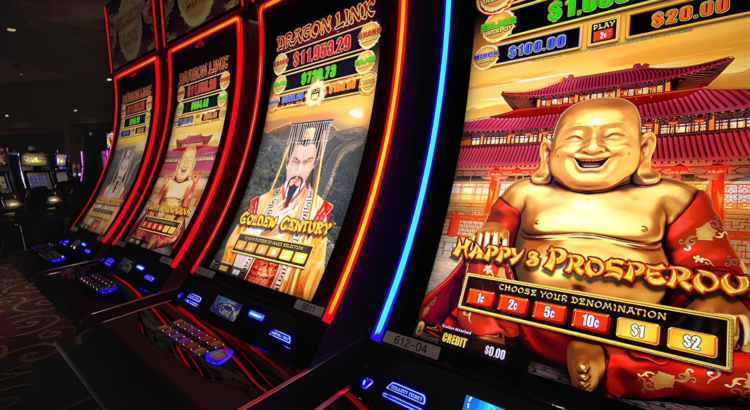
  • The machine type: Dragon Link, Triple Jackpot, or other branded slots.
  • The machine number: usually printed on the top corner of the slot machine.
  • The bet size: often visible on the screen showing how much the winner was wagering.

If you pay attention, you’ll start to see patterns. Maybe the same type of machine keeps popping up. Maybe the winning bets are almost always in the $5–$10 range. These aren’t coincidences—they’re signals you can use to your advantage.

Pro tip: keep a “casino journal” where you jot down details from every social media winner photo. Over time, you’ll build your own database of hot machines and proven bet levels.
Casinos love to showcase their winners—pay attention to the machine type, number, and bet amount in photos like these.


Hot Machines Stay Hot

There’s a saying among experienced gamblers: “Hot machines stay hot.” When a slot machine pays out a big jackpot, it doesn’t automatically mean it’s done for the night. In fact, many players believe these machines go through cycles of paying more frequently.

Casinos also use machine placement to influence player behavior. Hot machines are often placed in high-traffic areas so other guests see someone winning and feel inspired to play. That’s why you’ll often notice jackpots hitting on machines near entrances, bars, or the center of the floor.

For beginners, this means two things:

  1. Don’t shy away from machines that have already paid out—you may still catch another big win.
  2. Prioritize machines you’ve seen show up in multiple casino winner posts. If the casino is consistently promoting jackpots from a certain game, chances are that machine has been generous.

Some machines, like Dragon Link, consistently appear in casino winner photos—these are the ones you want to watch.


How to Track Machine Numbers and Locations

Think of machine numbers as the GPS coordinates of your next win. Each slot has a unique number printed on the top corner. When you spot this in a winner photo online, write it down.

Here’s how to use this information step by step:

  1. Scan social media photos and note the machine number and game name.
  2. Write it in your journal along with the date you saw it.
  3. When you visit, walk the casino floor and locate the machine.
  4. Mark its placement (e.g., “left of the bar” or “front row near entrance”).

Over time, you’ll have your own map of where the “lucky machines” are. This prevents you from wandering aimlessly and helps you sit down at machines with a history of paying out.


Bet Amounts That Trigger Jackpots

It’s not just about which machine you play—it’s also about how much you bet. If you’ve ever studied winner photos, you’ll notice that the big jackpots are rarely triggered by minimum bets.

For example, if multiple winners hit jackpots on $5 spins, that’s a clue worth following. While you should always play within your budget, mimicking the successful bet sizes increases your odds of unlocking the larger prizes.

That said, it doesn’t mean you need to max bet every spin. Smart players find a balance: they bet at levels that have historically triggered wins but keep their bankroll in check. A good rule of thumb is to choose the lowest bet size that still qualifies you for the jackpots you’re chasing.
Notice the bet sizes linked to big payouts—casinos often show these details in winner photos.


Building Your Own Winning Playbook

Every casino visit is an opportunity to refine your strategy. Over time, your notes will become your personal playbook. Here’s what to track:

  • Machine numbers that have hit jackpots.
  • Types of games that show up most often in winner posts.
  • Bet sizes linked to big wins.
  • Locations where machines are consistently “hot.”

By reviewing your notes regularly, you’ll start spotting patterns. Maybe Dragon Link near the bar always pays out, or maybe $2.50 bets on Jackpot Jewels hit more often than $1 bets. With this information, you’ll stop playing blind and start playing smart.


Responsible Play Still Comes First

While these strategies can give you an edge, it’s important to remember that casinos are built on chance. No machine guarantees a win, and even the “hottest” machine can go cold at any time.

Set a budget before you start playing and stick to it. Decide how much you’re comfortable losing, and don’t chase your losses. If you hit a nice win, consider cashing out and celebrating instead of giving it all back.

Playing smart isn’t just about copying successful people—it’s also about protecting your bankroll and knowing when to walk away.


Conclusion: Learn, Copy, Win Smarter

Winning at your favorite casino doesn’t mean reinventing the wheel. It means studying the players who’ve already won, learning from the machines that keep paying, and adjusting your bets to match proven patterns.

So next time you visit your favorite casino, take your notes with you. Look for the machine numbers, study the placement, and copy the bet amounts that triggered past jackpots. By copying what works and doing it just a little better, you’ll give yourself the best possible shot at a winning night.


Frequently Asked Questions (FAQ)

Q1: Can I really improve my odds by studying casino social media posts?
Yes. While you can’t guarantee a win, studying social media posts helps you identify which machines are currently “hot” and what bet levels are paying out. This gives you a smarter starting point than random guessing.

Q2: Do hot machines always stay hot?
Not forever, but many gamblers believe machines go through winning cycles. If a casino highlights the same machine multiple times, it’s worth paying attention.

Q3: How much should I bet to hit a jackpot?
It depends on the machine. In general, larger bets are linked to bigger jackpots, but you should always play within your budget. Look for patterns in winning bet amounts from social media photos.

Q4: Is this strategy guaranteed to work?
No strategy can guarantee wins in a casino. However, by copying successful patterns and avoiding random play, you increase your chances of hitting a payout.

Q5: What’s the most important tip for beginners?
Track machine numbers and bet sizes from winner posts. Over time, build your own “winning playbook.” And always remember—play for fun and gamble responsibly.

$1,000 Dragon Link Aggressive Attack: High Limit Jackpot Strategy 🐉💥

When you walk into a casino, there’s always that buzz — the lights, the sounds, the promise of hitting something huge. But if you’re ready to go beyond casual play and aim for life-changing wins, the high limit room is where your shot really begins.

This $1,000 Dragon Link aggressive wagering strategy is not for the faint of heart. It’s bold, it’s targeted, and it’s built to give you multiple chances at jackpot-level payouts without blowing your bankroll in minutes.

If you’ve ever wanted to spin for major wins, premium bonuses, and potential handpays, this step-by-step game plan is for you.


1. The Mindset: Go In to Win 🎯

High limit rooms demand a completely different mentality than the main slot floor. Here, bets are bigger, competition is fiercer, and the rewards can be massive.

Before you even step inside, lock in your mindset:

  • You are here to execute a plan, not gamble recklessly.
  • You will stick to the strategy no matter what happens.
  • You understand that with no risk, there’s no reward.

A confident and disciplined mindset keeps you from making impulsive decisions that drain your budget before you ever get rolling.


2. Step Into the High Limit Room 🚪

As soon as you enter the casino, head straight to the high limit area. Don’t get sidetracked by penny slots, bonus wheels, or any machine outside your plan.

The high limit room is where serious players take serious shots. These machines often offer:

  • Higher denomination play.
  • Larger line hits.
  • Bonus rounds that can instantly trigger handpays.

Your mission: find Dragon Link or Lightning Link machines. Both titles are legendary for their bonus potential, exciting Hold & Spin feature, and massive jackpots — especially when played at higher denominations.


3. Lock In Your Aggressive Betting Sequence 💵

To turn $1,000 into a real chance at a huge payday, you need structure. This isn’t about randomly hitting buttons; it’s about strategically shifting bet sizes to keep the machine engaged while chasing bonuses at different payout levels.

Here’s the exact breakdown:


Phase 1 — Warm Up with $25 Spins

  • Denomination: $1
  • Bet Per Spin: $25
  • Number of Spins: 20 spins (Total: $500)

This is your opening act. By starting with $25 spins, you get consistent action without burning your budget too quickly. The goal is to catch an early bonus and test the machine’s mood while still keeping enough firepower for the next phases.


Phase 2 — Drop the Hammer with $100 Spins

  • Denomination: $1 or $2 (your choice)
  • Bet Per Spin: $100
  • Number of Spins: 2 spins (Total: $200)

This is where you take your first major swing. If the bonus lands during these $100 spins, you’re looking at handpay territory — and potentially major or grand jackpot levels. These spins are quick and high-risk, but they pack maximum payout potential.


Phase 3 — Pressure Play with $50 Spins

  • Denomination: $1 or $2
  • Bet Per Spin: $50
  • Number of Spins: 2 spins (Total: $100)

This step acts as your bridge between massive swings and controlled play. It allows you to keep applying pressure without going all-in on every spin. These bets still carry jackpot potential while giving you more chances to land a feature.


Phase 4 — Finish with $12.50 Bets

  • Denomination: $0.50
  • Bet Per Spin: $12.50
  • Number of Spins: 16 spins (Total: $200)

These closing spins are all about volume and persistence. You’ll have 16 more chances to trigger a final bonus before ending your session. Even if you’ve already hit big, this phase can add to your winnings without risking a full bankroll reset.


4. Why This Works 🔑

This aggressive $1,000 Dragon Link strategy works because it balances risk and opportunity.

  • Warm-Up Spins Build Momentum: $25 spins provide steady play while gauging the machine’s mood.
  • High-Impact Shots at $100: The “hammer” bets give you your best chance at massive payouts.
  • Mid-Level Pressure Maintains Flow: $50 spins keep the heat on without draining too fast.
  • Final Push with $12.50 Bets: More spins mean more bonus chances to close out strong.

This method avoids the pitfall of spending all your budget at one bet size, while still keeping you in high limit jackpot territory.


5. Pro Tips for Aggressive High Limit Play

  • Stick to the Sequence: Changing the plan mid-session can ruin the strategy’s effectiveness.
  • Cash Out on Big Wins: If you hit a jackpot or major bonus, consider ending your session ahead.
  • Avoid “Bonus Hunting” Elsewhere: Don’t leave the machine unless the plan is finished — distractions kill momentum.
  • Manage Your Energy: High limit play is intense. Stay alert and focused to make the best decisions.

Conclusion: No Risk, No Reward 🚀

The $1,000 Dragon Link Aggressive Attack is designed for players ready to aim high, play smart, and chase casino-shaking jackpots. It’s not a slow grind — it’s a calculated assault on the reels that mixes big swings with strategic control.

Stick to the plan, stay disciplined, and remember: one spin can change your night — or your life.


Frequently Asked Questions (FAQ)

❓ What is the goal of this $1,000 Dragon Link strategy?
The goal is to maximize your chances of hitting bonus features and handpays by using a structured betting pattern that mixes high-risk and controlled wagers.

❓ Can this strategy be used on other machines?
Yes, it can work on similar high limit slots like Lightning Link, Ultimate Fire Link, or other progressive games with bonus features.

❓ Is this a guaranteed way to win?
No slot strategy can guarantee a win. This is a disciplined approach to maximize your chances and keep your bankroll under control.

❓ Why start with $25 spins instead of going all-in at $100?
Starting at $25 lets you play more spins and test the machine’s responsiveness before committing to your largest bets.

❓ Can I try this online?
Yes! Many online casinos offer Dragon Link-style games where you can adjust bet sizes and practice strategies without traveling to a physical casino.

🧧 Dragon Path Baccarat Strategy: Win Big with the Martingale Method!

Introduction: Enter the World of Baccarat 🌟

Baccarat has long been a favorite in luxurious Asian casinos, celebrated for its elegant simplicity and thrilling gameplay. Today, beginners can unlock the Dragon Path Strategy, a powerful approach that pairs Baccarat with the legendary Martingale betting system — creating an exciting road to big wins and smarter play.


What Is Baccarat? 🎴

Before we master strategy, let’s first understand Baccarat — a fast, exciting table game with simple rules and great odds.

The Basic Rules of Baccarat

The goal in Baccarat is simple: bet on the hand (either Player or Banker) that will total closest to 9.

  • Cards 2-9 are worth their face value.
  • 10s, Jacks, Queens, and Kings are worth 0.
  • Aces are worth 1.

Only the last digit counts, so a hand of 7 + 8 becomes 15, which counts as 5.

Why Baccarat Is Popular in Asia

In Asia, Baccarat is more than a game — it’s tradition. Its fast rounds, low house edge, and simple betting options make it a favorite for players who believe in luck, destiny, and reading the flow of the cards.


Introduction to the Martingale Strategy 🧠

One of the most famous betting systems in history, the Martingale is a powerful way to manage your bets in Baccarat.

How the Martingale Works

The Martingale method is based on doubling your bet after every loss.

  • If you lose a bet, double your next bet.
  • When you finally win, you recover all previous losses plus a profit equal to your original bet.

For example:

  • Bet $10 and lose ➔ Next bet $20
  • Lose again ➔ Next bet $40
  • Win ➔ You recover all losses and make $10 profit!

Why Martingale Fits Perfectly with Baccarat

Baccarat’s structure is ideal for Martingale: you’re betting on simple outcomes (Banker or Player), and the Banker bethas a house edge as low as 1.06% — making it one of the best bets in any casino.


Step-by-Step: Using the Dragon Path Martingale Strategy 🐉

Ready to walk the Dragon Path to big wins? Here’s exactly how to do it:

Step 1: Set Your Starting Bet

Always start with a small, comfortable base bet.
For example: $10.

This keeps your bankroll protected and prepares you for possible doubling sequences.

Step 2: Always Bet on Banker

The Banker has slightly better odds than the Player, even after the 5% commission on Banker wins. In Martingale, we stick to the Banker bet for the best long-term success.

Step 3: Double Your Bet After Every Loss

Each time you lose:

  • Double your previous bet.
  • Example: $10 ➔ $20 ➔ $40 ➔ $80 ➔ $160.

The idea is simple — when you eventually win, you erase all previous losses and earn a profit equal to your original bet.

Step 4: Reset After a Win

Once you win:

  • Immediately reset to your starting bet ($10 in this example).
  • Begin the sequence again with calm focus.

Discipline is the heart of the Dragon Path!


Managing Your Bankroll Like a True Dragon Master 🐲

Mastering Baccarat isn’t just about betting — it’s about protecting your treasure.

Set a Win Goal and Stop-Loss Limit

Decide before you play:

  • Win Goal Example: Walk away after $200 in profit.
  • Stop-Loss Example: Stop if you lose $500.

This ensures you leave the casino a winner more often — and protect yourself from emotional decisions.

Don’t Chase Losses Forever

Even a Dragon must know when to rest. If you reach your stop-loss, leave the table. Chasing endlessly will only lead to bigger losses.


Common Mistakes to Avoid 🛑

Even brave players fall into traps. Here’s how to avoid the most common mistakes:

Ignoring Table Limits

Casinos have maximum bet limits. If you hit the table max during a Martingale sequence, you can no longer double your bet — which can break the system. Always check table limits first!

Running Out of Bankroll Too Fast

If you start with too high of a base bet, you may run out of money during a losing streak. Keep your bets small relative to your total bankroll.

Betting on Ties

The Tie bet might seem tempting with its huge payout (8:1 or 9:1), but it has a high house edge. Stick to Banker bets for better odds.


Tips for Playing Baccarat Online 💻

Online Baccarat offers beginners an amazing way to practice without pressure.

  • Choose low-limit tables where you can start with smaller bets.
  • Practice in demo modes before risking real money.
  • Use trusted sites, like www.betanysports.eu/P3W, to ensure fair play and fast payouts.

Online play also lets you use tools like spreadsheets to track your Martingale progress!


Conclusion: Follow the Dragon’s Path to Baccarat Success! 🎉

Baccarat offers a magical world of big wins and thrilling gameplay — and by combining the Martingale strategy with smart bankroll management, you’re ready to walk the Dragon Path toward your own fortune.

Stay disciplined, stay patient, and remember: even the fiercest dragon knows when to soar and when to rest. 🎴🐉


🙋‍♂️ FAQ Section: Dragon Path Baccarat Strategy


Q1: Is the Martingale strategy safe to use in Baccarat?
A: While no betting system is foolproof, Martingale offers a logical, structured way to manage losses and profits. Always combine it with smart bankroll limits.


Q2: Should I always bet on Banker using Martingale?
A: Yes, betting on Banker gives you the best mathematical edge, even after the casino’s commission.


Q3: What happens if I reach the table limit?
A: Unfortunately, you can’t double your bet past the limit. That’s why starting small and knowing the table rules is key.


Q4: Can I use Martingale playing Baccarat online?
A: Absolutely! Online Baccarat tables often have lower minimum bets, making them perfect for practicing your Dragon Path strategy.


Q5: Where’s the best place to play Baccarat online?
A: We recommend www.betanysports.eu/P3W — a trusted casino site offering real-money Baccarat, great bonuses, and quick payouts! 🎲✨

Roulette Outside Bets and the Martingale Strategy: A Calculated Risk or Costly Illusion?

In casinos from Las Vegas to Monte Carlo, few strategies have captured the imagination of gamblers quite like the Martingale system. It promises something seductive: a structured way to recover losses and walk away with consistent, incremental profits. Pair that with roulette outside bets—those near 50/50 wagers like red or black—and the appeal becomes even stronger.

But beneath the surface of this seemingly logical system lies a deeper question: Does the Martingale strategy truly offer an edge, or does it simply delay inevitable losses? To answer that, we need to examine not just how the system works, but how it behaves under real-world casino conditions—where limits, psychology, and probability intersect.

Understanding Outside Bets in Roulette

At the heart of the Martingale strategy is the concept of outside bets. These wagers cover large portions of the roulette wheel, offering frequent wins but relatively small payouts.

The Most Common Outside Bets

  • Red or Black: Covers 18 numbers each
  • Even or Odd: Covers 18 numbers each
  • High or Low: 1–18 (low) or 19–36 (high)

These bets typically pay 1:1, meaning you double your stake when you win. On the surface, this makes them ideal for progressive betting systems like Martingale.

However, the presence of the zero (and double zero in American roulette) tilts the odds slightly in favor of the house. In American roulette, your actual chance of winning a red/black bet is about 47.4%, not 50%.

The Martingale Strategy Explained

The Martingale system is built on a simple premise: double your bet after every loss. The idea is that a single win will recover all previous losses and generate a profit equal to your original bet.

How It Works in Practice

  • Start with a base bet (e.g., $10 on red)
  • If you lose, double to $20
  • Lose again, double to $40
  • Continue until you win
  • After a win, return to the original bet

This creates a mathematical certainty—in theory—that each winning cycle yields a small profit. However, the key phrase here is “in theory.”

The Appeal: Why Players Are Drawn to Martingale

The Martingale strategy persists because it aligns with how people intuitively think about probability and recovery.

First, it offers a sense of control. Instead of relying purely on chance, players feel they are following a disciplined system. Second, it delivers frequent wins—most sessions will include several short cycles where the strategy appears to work flawlessly.

Finally, it capitalizes on a powerful psychological belief: that a win is “due” after a series of losses. While this belief is rooted in the gambler’s fallacy, it reinforces confidence in the system.

The Reality Check: Where Martingale Breaks Down

Despite its elegant simplicity, the Martingale strategy encounters serious challenges in real-world play.

Table Limits: The Invisible Ceiling

Casinos impose maximum bet limits specifically to counter systems like Martingale. A player starting at $10 can reach a $640 bet after just six consecutive losses. In many casinos, this is already near or beyond the table limit.

Once the limit is reached, the system collapses—there’s no longer a way to “guarantee” recovery.

Bankroll Requirements: Exponential Growth

The required bankroll grows at an exponential rate:

  • 1 loss: $10
  • 2 losses: $30 total
  • 3 losses: $70 total
  • 6 losses: $630 total
  • 8 losses: $2,550 total

Even a modest losing streak can demand thousands of dollars, far exceeding what most players are prepared to risk.

The House Edge Never Disappears

Perhaps most importantly, the Martingale system does not change the underlying odds. The house edge—5.26% in American roulette and 2.7% in European roulette—remains constant.

In other words, the system rearranges risk but does not eliminate it.

A Real-World Scenario: When the System Meets Reality

Consider a player with a $1,000 bankroll using a $10 base bet. Over the course of an evening, they experience a streak of seven losses—a statistically plausible event.

To continue the Martingale sequence, the next bet would need to be $1,280. Not only does this exceed the player’s bankroll, but it likely surpasses table limits as well.

At this point, the player is forced to stop, locking in a significant loss—one that wipes out dozens of prior small wins.

European vs. American Roulette: A Critical Choice

For those considering Martingale, the choice of roulette variant matters.

  • American Roulette: Includes 0 and 00 (higher house edge)
  • European Roulette: Includes only 0 (lower house edge)

While the difference may seem small, it has a measurable impact over time. European roulette reduces the frequency and severity of losing streaks—though it does not eliminate them.

Practical Tips for Using Martingale Responsibly

For players who still wish to experiment with the strategy, discipline is essential.

  • Start with a low base bet: This extends your ability to absorb losses
  • Set strict limits: Define both win goals and loss limits before playing
  • Avoid chasing losses: Stick to your plan, even during losing streaks
  • Choose European tables: Lower house edge improves long-term outcomes
  • Limit session length: The longer you play, the higher the risk of a damaging streak

These measures won’t eliminate risk, but they can help manage exposure.

Alternative Approaches Worth Considering

Some experienced players favor less aggressive systems that reduce volatility.

Flat Betting

Betting the same amount each time avoids exponential losses and preserves bankroll stability.

Reverse Martingale (Paroli)

This strategy increases bets after wins rather than losses, allowing players to capitalize on winning streaks without escalating risk during losing streaks.

Mini-Martingale

A limited version of Martingale that caps the number of doublings, reducing exposure to extreme losses.

While none of these systems eliminate the house edge, they offer a more sustainable approach to gameplay.

The Psychological Factor: Discipline vs. Emotion

Perhaps the most underestimated aspect of Martingale is its psychological impact.

During a losing streak, the pressure to continue doubling can be intense. Each additional bet carries more financial and emotional weight, increasing the likelihood of impulsive decisions.

Successful players recognize that discipline—not strategy—is often the deciding factor. Without it, even the most structured system can unravel quickly.

Does Martingale Actually Work?

The honest answer is nuanced.

In the short term, Martingale can produce frequent small wins. However, over the long term, the combination of table limits, bankroll constraints, and house edge makes sustained success unlikely.

It is less a winning strategy and more a risk management illusion—one that shifts the timing of losses rather than preventing them.

Frequently Asked Questions (FAQ)

Is Martingale a guaranteed winning system?

No. While it can recover losses in short sequences, real-world limits and bankroll constraints prevent it from guaranteeing profits.

What is the safest outside bet to use with Martingale?

Red/black, even/odd, and high/low are the most common due to their near 50/50 odds.

How much bankroll do I need?

It depends on your base bet, but you should be prepared for at least 6–8 consecutive losses, which can require a substantial bankroll.

Is European roulette better for Martingale?

Yes. The lower house edge makes it slightly more favorable than American roulette.

Can I use Martingale in online roulette?

Yes, but table limits and game rules still apply, and many online games reset conditions frequently.

What’s the biggest risk of Martingale?

The biggest risk is a long losing streak that forces you to either exceed table limits or exhaust your bankroll.

Conclusion: Strategy or Mirage?

The Martingale strategy, when applied to roulette outside bets, offers a compelling narrative: steady gains, logical progression, and the promise of recovery. Yet, as with many systems in gambling, its strength lies more in perception than reality.

It does not alter the fundamental odds of the game. Instead, it amplifies risk in pursuit of consistency—trading many small wins for the possibility of one large, unavoidable loss.

For casual players, it can add structure and excitement to gameplay. For serious bettors, however, it serves as a reminder of a timeless principle: in games governed by probability, no system can overcome the house edge indefinitely.

Approach it with caution, discipline, and realistic expectations—and above all, understand that the true game isn’t just played on the table, but in how you manage risk.

How to Count Cards in Blackjack (The Easy Way Anyone Can Learn)

Have you ever watched someone at a blackjack table and wondered how they seem to win more often than everyone else? It might look like luck, but sometimes it’s something much smarter—card counting. Don’t worry, this isn’t about cheating or doing complicated math. In fact, with the right approach, even a beginner can learn it.

In this guide, we’ll break everything down in a simple, easy-to-follow way. By the end, you’ll understand how card counting works, why it gives players an edge, and how you can start practicing today—even if you’ve never played seriously before.

What Is Card Counting (And Is It Cheating?)

Before diving into how it works, let’s clear up a common question: Is card counting cheating? The short answer is no.

Card counting is simply a method of keeping track of which cards have already been played. Since blackjack uses a limited number of cards, knowing what’s been used helps you make smarter decisions.

However, while it’s not illegal, casinos don’t like it. Why? Because it can give players a small advantage over the house. As a result, casinos may watch players closely or ask them to stop playing if they suspect card counting.

So, while you’re not breaking the law, you do need to stay low-key.

Why Card Counting Works (Simple Explanation)

At first, blackjack might seem like pure luck. But in reality, some cards are more helpful than others.

High cards (10s, face cards, and Aces) are good for players because they increase your chances of hitting blackjack and make it more likely the dealer will bust.

Low cards (2 through 6), on the other hand, help the dealer. They make it easier for the dealer to build a strong hand without going over 21.

Card counting works by helping you figure out what kind of cards are left in the deck. If more high cards remain, your chances improve. If more low cards remain, the casino has the advantage.

In simple terms: you’re not predicting the future—you’re tracking the past to make better decisions.

The Super Easy Hi-Lo System

Now let’s get into the easiest and most popular way to count cards: the Hi-Lo system. The good news? You only need to remember three simple rules.

Card Values Made Simple

Instead of memorizing every card, you group them like this:

  • 2–6 = +1 (good for you)
  • 7–9 = 0 (ignore these)
  • 10, J, Q, K, A = -1 (less helpful for you)

That’s it. No complex math—just adding and subtracting 1.

How to Keep a Running Count

Think of card counting like keeping score in a game. You start at zero and adjust the number as cards are played.

Step-by-Step Example

Let’s say you see the following cards:

  • 5 → +1 (count = 1)
  • King → -1 (count = 0)
  • 3 → +1 (count = 1)
  • 8 → 0 (count stays 1)

As you can see, you’re simply keeping a running count in your head.

The goal is to keep this number updated throughout the game without drawing attention.

What the Count Means

Now that you know how to count, let’s talk about what the number actually tells you.

  • Positive count (like +3 or +5) → More high cards left → Better for you
  • Negative count (like -3) → More low cards left → Better for the casino

So when the count is high, that’s your moment to take advantage. When it’s low, you play it safe.

Simple Betting Strategy for Beginners

You don’t need a complicated betting system to get started. In fact, keeping it simple is better—especially if you want to avoid attention.

  • Count 0 or less → Bet small
  • Count +2 → Increase slightly
  • Count +4 or higher → Bet more

This gradual increase helps you stay under the radar while still taking advantage of good situations.

Easy Practice Method (Learn in Just 10 Minutes a Day)

The best part about card counting is that you can practice at home.

Simple Practice Routine

  • Grab a deck of cards
  • Shuffle them
  • Flip them one by one
  • Keep the count in your head

Your goal is to end at zero, since a full deck balances out.

Level Up Your Skills

  • Go faster each time
  • Count two cards at once
  • Practice while watching TV

With just 10 minutes a day, you’ll improve quickly.

Common Mistakes Beginners Make

Everyone makes mistakes at first, but knowing what to watch out for can save you time and frustration.

  • Trying to go too fast before mastering the basics
  • Losing track of the count
  • Betting too aggressively
  • Acting nervous or unnatural

Remember, consistency beats speed every time.

Can You Use Chips to Keep Count?

Some beginners try to use their chips to track the count, but this method comes with risks.

While it might seem helpful at first, it can make your behavior look unusual. Casinos are trained to spot patterns, and moving chips in a certain way can draw attention.

That’s why most experienced players keep everything in their head. It’s safer, smoother, and more effective.

How to Stay Low-Key While Playing

If you ever use card counting in a real game, blending in is key.

  • Don’t change bets too dramatically
  • Act relaxed and casual
  • Avoid staring too hard at cards
  • Chat or behave like a normal player

The goal is simple: look like you’re just having fun.

Does Card Counting Guarantee You’ll Win?

Let’s be honest—card counting is not a magic trick.

It gives you a small advantage over time, but you can still lose in the short term. That’s because blackjack still involves luck.

Think of it like this: you’re improving your odds, not controlling the outcome.

Is Card Counting Worth Learning?

Absolutely—if you enjoy strategy and want to improve your game.

Card counting helps you:

  • Understand blackjack on a deeper level
  • Make smarter decisions
  • Develop focus and discipline

Even if you never use it in a casino, it’s a fun and useful skill to learn.

Final Thoughts: Keep It Simple and Practice

At the end of the day, card counting isn’t about being a math genius. It’s about staying consistent, calm, and focused.

Start with the Hi-Lo system, practice a little each day, and build your confidence over time. The more comfortable you get, the easier it becomes.

And remember—simple beats complicated every time.

Quick Cheat Sheet

  • 2–6 = +1
  • 7–9 = 0
  • 10–Ace = -1
  • Positive count = bet more
  • Negative count = bet less

Frequently Asked Questions (FAQ)

Is card counting illegal?

No, card counting is not illegal. However, casinos may ask you to leave if they believe you are using it.

Do I need to be good at math?

Not at all. The system only uses simple addition and subtraction with the numbers +1 and -1.

Can beginners really learn card counting?

Yes! With practice, anyone can learn. The key is to start slow and stay consistent.

How long does it take to get good?

Most people can learn the basics in a few days and become comfortable within a few weeks of regular practice.

Does card counting work in online blackjack?

Usually no, because online games often reshuffle after every hand, which resets the count.

What’s the biggest mistake to avoid?

The biggest mistake is overconfidence. Stick to a simple strategy and don’t bet more than you can afford to lose.

How to Count Cards in Blackjack: A Beginner-Friendly Guide to the Hi-Lo System

Ever wondered if you can actually beat the casino at blackjack without relying purely on luck? The truth is, blackjack is one of the few casino games where skill can give you an edge—and that’s where card counting comes in.

Now before you picture Hollywood scenes of genius gamblers memorizing entire decks, let’s clear something up: card counting is much simpler than it sounds. You don’t need to be a math wizard or have a photographic memory. In fact, one of the most popular systems—the Hi-Lo system—is designed specifically for beginners.

In this guide, you’ll learn exactly how card counting works, how to use the Hi-Lo system step by step, and how to apply it in real-life situations. By the end, you’ll understand how skilled players shift the odds slightly in their favor—and how you can start practicing today.

What Is Card Counting in Blackjack?

Card counting isn’t about memorizing every card that’s been played. Instead, it’s about tracking the ratio of high cards to low cards remaining in the deck.

Why does that matter? Because in blackjack, the type of cards left in the deck directly affects your chances of winning.

When more high cards (10s, face cards, and aces) remain, the player has an advantage. On the other hand, when more low cards are left, the dealer has the edge.

So rather than guessing or relying on luck, card counters use a simple system to keep track of this balance and adjust their bets accordingly.

Why Card Counting Works

Blackjack is unique because past cards influence future outcomes. Unlike games like roulette, where every spin is independent, blackjack deals from a finite deck.

Here’s why that matters:

  • High cards increase your chances of hitting blackjack
  • High cards make it more likely the dealer will bust
  • Low cards help the dealer complete hands safely

So when the deck is rich in high cards, your odds improve. Card counting simply helps you recognize those moments.

The Hi-Lo Card Counting System Explained

The Hi-Lo system is the most widely used card counting method because it strikes the perfect balance between simplicity and effectiveness.

Card Values in the Hi-Lo System

  • Cards 2 through 6 = +1
  • Cards 7, 8, 9 = 0
  • 10, Jack, Queen, King, Ace = -1

That’s it. Every card that comes out either adds, subtracts, or does nothing to your count.

The goal is to maintain a running count as the game progresses.

How to Keep a Running Count

Keeping a running count is easier than most people expect. You simply start at zero and adjust the count as each card is revealed.

Let’s look at a quick example:

  • Player gets a 3 → +1 (Count = 1)
  • Dealer shows a 5 → +1 (Count = 2)
  • Next card is a King → -1 (Count = 1)
  • Another card is an 8 → 0 (Count stays 1)

By the end of this sequence, your running count is +1.

Over time, you’ll build speed and accuracy. Many experienced players can keep the count effortlessly while still playing normally.

What the Running Count Tells You

The running count gives you insight into the remaining deck.

  • Positive count: More high cards remain (good for you)
  • Negative count: More low cards remain (bad for you)
  • Zero count: Neutral deck

For example, if the count rises to +6, that’s a strong signal that the deck is in your favor.

This is when smart players start increasing their bets.

How to Adjust Your Bets Based on the Count

Knowing the count is only half the battle. The real advantage comes from adjusting your bets strategically.

Basic Betting Strategy

  • Low or negative count → Bet the minimum
  • Slightly positive count → Increase your bet slightly
  • High positive count → Bet more aggressively

This approach is known as a bet spread. For example, you might bet $10 at a neutral count and increase to $50 or $100 when the count is high.

The idea is simple: risk more when the odds favor you and less when they don’t.

Understanding the True Count (Advanced Concept)

In most casinos, blackjack is played with multiple decks. This means the running count alone isn’t enough—you need to adjust it.

This adjusted number is called the true count.

Formula: Running Count ÷ Decks Remaining

For example:

  • Running count = +8
  • Decks remaining = 4
  • True count = +2

The true count gives you a more accurate picture of your advantage. Serious players rely on this to make better betting decisions.

Common Mistakes Beginners Make

Many beginners struggle not because card counting is too hard, but because they overlook key fundamentals.

  • Losing track of the count during fast gameplay
  • Betting too aggressively too early
  • Ignoring bankroll management
  • Letting emotions take over

The key is to stay disciplined and treat this as a long-term strategy—not a quick win.

How to Practice Card Counting at Home

Before stepping into a casino, you should be comfortable counting cards quickly and accurately.

Simple Practice Routine

  • Use a single deck of cards
  • Go through the deck and keep a running count
  • Time yourself and aim to get faster
  • Practice until you can finish in under 30 seconds

You can also practice while watching TV or listening to music to simulate real casino distractions.

Can You Really Beat the Casino?

Yes—but it’s important to stay realistic.

Card counting doesn’t guarantee wins every session. Instead, it gives you a small edge over time, usually around 1–2%.

That might not sound like much, but over hundreds or thousands of hands, it can add up.

The key is consistency, discipline, and patience.

Is Card Counting Illegal?

Card counting is not illegal. You’re simply using your brain to track information.

However, casinos don’t like it. If they suspect you’re counting cards, they can ask you to leave or ban you from playing.

This means you need to be subtle in your approach.

Tips to Stay Under the Radar

If you want to last longer at the table, you need to blend in.

  • Don’t suddenly increase bets dramatically
  • Act like a casual player
  • Avoid obvious patterns
  • Engage in conversation to appear relaxed

The goal is to avoid drawing attention while still applying your strategy.

Quick Recap

Let’s lock in the key points:

  • Hi-Lo system assigns +1, 0, and -1 values to cards
  • You keep a running count as cards are played
  • Positive counts favor the player
  • Adjust your bets based on the count
  • Use true count for multi-deck games

How to Count Cards in Blackjack (Explained So a 5th Grader Can Understand)

What if learning how to count cards in blackjack was as simple as adding and subtracting 1? No complicated math. No genius-level memory. Just a simple way to keep score and understand what cards might be coming next.

Most people think card counting is something only professionals or math experts can do. But the truth is, the most popular system—called the Hi-Lo system—is so simple that even a 5th grader can understand it.

In this guide, we’re going to break everything down step by step in the easiest way possible. By the end, you’ll not only understand how card counting works, but you’ll also be able to start practicing it yourself.

What Is Card Counting (In the Simplest Way Possible)?

Card counting is just a way to figure out if the next cards in blackjack will be good for you or not.

You’re not memorizing every card. Instead, you’re keeping a simple score that tells you if more “good cards” or “bad cards” are left in the deck.

Think of it like this: if you know what’s already been played, you can make a better guess about what’s coming next.

Why Card Counting Works

Blackjack is different from most casino games because the cards that have already been played actually matter.

For example:

  • Big cards (10, J, Q, K, A) are good for you
  • Small cards (2–6) are better for the dealer

So if a lot of small cards have already been used, that means more big cards are still left—and that’s good news for you.

Card counting helps you keep track of this without needing to remember every single card.

Think of It Like a Candy Jar

Let’s make this even easier.

Imagine a jar filled with two types of candy:

  • 🍬 Good candy (big cards)
  • 🍭 Not-so-good candy (small cards)

If a bunch of the “not-so-good candy” gets taken out, what’s left?

More good candy.

That’s exactly how card counting works. You’re just keeping track of what’s already gone so you can guess what’s left.

The Super Simple Card Counting Rules

Now let’s get to the easiest part—the rules.

Every time you see a card, you give it a point value:

  • Cards 2, 3, 4, 5, 6 = +1
  • Cards 7, 8, 9 = 0
  • 10, Jack, Queen, King, Ace = -1

That’s it. No extra steps. No complicated formulas.

+1 means a small card
-1 means a big card
0 means ignore it

How to Keep Score in Your Head

Now that you know the values, you’re just keeping a simple score as the game goes on.

Start at 0. Then:

  • Add +1 when you see a small card
  • Subtract 1 when you see a big card
  • Do nothing for middle cards

That’s all you’re doing—keeping a running score in your head.

At first, it might feel slow, but with a little practice, it becomes automatic.

Step-by-Step Example Anyone Can Follow

Let’s walk through a quick example together.

  • You see a 2 → +1 (score = 1)
  • You see a 5 → +1 (score = 2)
  • You see a King → -1 (score = 1)
  • You see an 8 → 0 (score stays 1)
  • You see a 4 → +1 (score = 2)

Your final score is +2.

See how simple that is? You’re just adding and subtracting as you go.

What Your Score Actually Means

Your score tells you something important about the deck.

  • Positive score (like +4 or +5) → More big cards are left (good for you)
  • Negative score (like -3 or -4) → More small cards are left (not good)
  • Zero → Everything is balanced

So instead of guessing, you’re using your score to understand what’s likely coming next.

Breaking It Down Even Simpler

If you remember nothing else, remember this:

  • High score = good for you
  • Low score = not good

That’s the entire idea of card counting.

You’re not predicting exact cards—you’re just getting a better idea of what kind of cards are left.

When Should You Bet More or Less?

Once you understand your score, you can use it to make smarter bets.

  • If your score is low → Bet small
  • If your score is high → Bet more

For example, if your score is +5, that means more big cards are coming. That’s when players increase their bets.

But if your score is -4, it’s smarter to play it safe and bet less.

The goal is simple: risk more when the odds are better.

Common Beginner Mistakes

Even though this system is simple, beginners often make a few common mistakes.

  • Trying to go too fast too soon
  • Losing track of the score
  • Betting big without enough practice
  • Getting emotional after wins or losses

The key is to stay calm, go slow, and build your skills over time.

How to Practice at Home

The best way to get good at card counting is to practice where there’s no pressure.

  • Grab a deck of cards
  • Go through them one by one
  • Keep your score as you go
  • Try to get faster each time

A good goal is to go through an entire deck in under 30 seconds while keeping the correct count.

You can also practice while watching TV or listening to music to simulate distractions.

Can You Really Win Using This?

Yes—but it’s important to understand how it works.

Card counting doesn’t guarantee you’ll win every hand. Instead, it gives you a small advantage over time.

Think of it like this: instead of guessing randomly, you’re making smarter decisions based on information.

Over many games, that small edge can make a difference.

Is Card Counting Illegal?

No, card counting is not illegal.

You’re simply using your brain to keep track of cards. However, casinos don’t like it, and they can ask you to leave if they think you’re doing it.

That’s why experienced players try to blend in and not draw attention to themselves.

Quick Recap (Super Simple)

Let’s go over the basics one more time:

  • 2–6 = +1
  • 7–9 = 0
  • 10, J, Q, K, A = -1
  • Keep a running score in your head
  • High score = good for you
  • Low score = not good

If you understand this, you already know the basics of card counting.

Final Thoughts

Card counting isn’t magic—but it’s one of the few proven ways to gain an edge in blackjack.

With practice, patience, and discipline, you can turn blackjack into a game of skill rather than pure chance.

Start small, practice often, and focus on consistency. Over time, you’ll develop the confidence and ability to apply this strategy effectively.

Frequently Asked Questions

Is card counting hard to learn?

No, the basics are simple. The challenge comes from maintaining accuracy and speed in a real casino environment.

Do I need to memorize all the cards?

No, you only need to track the count using the Hi-Lo system—not remember every card.

How much money can you make card counting?

It depends on your bankroll, discipline, and time invested. The edge is small but consistent over time.

Can casinos detect card counting?

Yes, casinos use surveillance and behavior analysis to spot potential card counters.

Is card counting legal everywhere?

Yes, but casinos can refuse service or ban players they suspect of counting cards.

Dragon Link Slot Strategy for Low Rollers: How to Stretch a $250 Bankroll and Still Chase Progressives

Dragon Link has earned its place as one of the most popular slot games in modern casinos, and it’s not just because of the bright graphics or catchy sounds. Players love Dragon Link because it delivers excitement, engaging bonus features, and the possibility of landing a meaningful win without needing a massive bankroll. For low rollers—players who value time, fun, and smart bankroll control—Dragon Link can be especially rewarding when played with structure.

In this guide, we’ll walk through a realistic Dragon Link slot strategy built for low rollers using a $250 bankroll. This approach focuses on stretching playtime, managing risk, and using a smart betting flow that starts strong and then settles into low-limit play on the same machine. The goal isn’t to promise wins—it’s to play with intention.

What Does “Low Roller” Mean in Slot Play?

Being a low roller isn’t about being timid—it’s about being disciplined. Low rollers focus on smaller bets, longer sessions, and emotional control instead of chasing quick hits or forcing results.

Rather than constantly jumping machines or increasing bets out of frustration, low rollers let the game play out. Dragon Link fits this style well because its most exciting moments—Hold & Spin bonuses and progressives—can still trigger at lower bet levels.

Understanding Dragon Link Basics Before You Spin

Before committing money to any slot machine, it’s important to understand how it works. While no knowledge can change randomness, understanding structure helps you make smarter decisions.

Dragon Link Volatility in Simple Terms

Dragon Link is a medium-to-high volatility slot. This means you may experience quiet stretches followed by sudden bursts of action. Because of this, bankroll flow and patience matter more than bet aggression.

The Hold & Spin Bonus Explained

The Hold & Spin feature is the heart of Dragon Link. Landing three fireball symbols triggers a bonus round where credit values can accumulate and re-trigger. This feature is also where all progressive jackpots live.

Dragon Link Progressive Jackpots

  • Mini: Small and hit often
  • Minor: The most realistic and rewarding for low rollers
  • Major: Larger, rarer, and denomination-dependent
  • Grand: Extremely rare and not practical to chase

Low rollers should view the Minor jackpot and strong Hold & Spin rounds as the real targets.

Why a $250 Bankroll Is Ideal for This Strategy

A $250 bankroll provides enough flexibility to vary bet sizes without losing control. It allows you to begin with stronger bets and then comfortably transition into long, low-limit play—without switching machines.

Most importantly, this amount allows you to stay disciplined while still enjoying meaningful action.

A Smart Gambling Accessory That Helps You Keep Your Winnings

One of the biggest challenges in a casino isn’t winning—it’s keeping what you win. Dragon Link is designed to keep players engaged, especially after bonuses.

The Original USA Gamblebox Gambling Personal Pocket Cash Drop Lock Box Safe Wallet helps low rollers physically protect their winnings. It allows you to deposit cash through a secure slot while making it difficult to retrieve without the key.

Many players intentionally leave the key behind, creating a physical barrier that prevents emotional re-bets. This simple habit can dramatically improve how much money you leave the casino with.

The Gamblebox also includes a red velvet carrying bag, making it discreet and easy to carry.

👉 View the Original USA Gamblebox Cash Drop Lock Box on Amazon

The One-Machine, Two-Phase Dragon Link Strategy for Low Rollers

This strategy is built around staying on one Dragon Link machine and adjusting bet size over time, rather than hopping machines. The idea is to begin with higher bets, then settle into low-limit play on the same game.

Many players believe that starting with larger bets can help establish higher fireball credit values and bonus potential before transitioning into low rolling. While outcomes are always random, this approach gives structure and consistency to your session.

Phase One: Starting Strong With $50 Higher Bets

This opening phase is not about longevity—it’s about setting the tone on the machine.

  • $50 portion of bankroll
  • $1 denomination
  • $5 spins
  • Approximately 10 spins

The goal is to engage the machine with stronger bets early. If a bonus hits, great. If not, you don’t abandon the machine—you simply step down in bet size.

Why You Stay on the Same Machine

Rather than treating the $50 as a test-and-leave session, this strategy keeps you anchored to the same Dragon Link machine. Many players believe this helps maintain consistency in fireball values and bonus behavior when later switching to smaller bets.

While no method guarantees outcomes, staying on one machine avoids constantly resetting your session flow.

Phase Two: Transitioning Into $200 Low-Roller Play

After the initial higher-bet phase, you smoothly transition into low-limit play on the same machine.

  • Remaining bankroll: $200
  • Denomination: $0.01
  • Bet size: $0.50
  • Approximately 400 spins

This is where low rollers thrive—long play, steady action, and plenty of opportunities for Hold & Spin bonuses.

How Long Will the $200 Low-Roller Session Last?

At $0.50 spins, most low rollers average 6–8 spins per minute. Including bonus rounds and natural pauses, this phase can last two to three hours, making it ideal for players who value entertainment.

Breaking the Session Into Manageable Segments

Even when staying on one machine, it’s smart to break play into mental checkpoints.

  • Play 100 spins
  • Pause and assess activity
  • Continue if bonuses or fireballs appear
  • Take a break if the machine goes cold

Reading Dragon Link Activity as a Low Roller

While outcomes are random, players still watch for signs of engagement.

  • Frequent fireball symbols
  • Two-fireball teases
  • Small line hits slowing balance decline

If long stretches pass with no features at all, it may be time to end the session.

What Wins Are Realistic for Low Rollers?

Low-denomination Dragon Link play isn’t about chasing the Grand jackpot. Instead, aim for solid Hold & Spin bonuses and the Minor jackpot.

These wins often feel bigger because they come after long, controlled sessions.

Win Management: Protecting Profits

A simple rule keeps emotions in check:

If your balance grows significantly, lock some of it away.

Using a cash lock box or physically pocketing winnings helps prevent giving profits back to the machine.

Common Dragon Link Mistakes Low Rollers Make

  • Chasing bonuses emotionally
  • Jumping machines too quickly
  • Increasing bets after losses
  • Ignoring fatigue or frustration

Frequently Asked Questions About Dragon Link for Low Rollers

Does starting with higher bets guarantee bigger bonuses later?

No. Outcomes are always random. This strategy provides structure and consistency, not guarantees.

Is staying on one machine better than hopping?

Many players prefer consistency, but the best approach is the one that keeps you disciplined.

Is $0.50 a good low-roller bet size?

Yes. It balances time on machine with meaningful bonus potential.

How do I stop giving winnings back?

Use stop-win rules, take breaks, and use physical tools like a cash lock box.

Final Thoughts on Playing Dragon Link as a Low Roller

Dragon Link is most enjoyable when played with patience, structure, and realistic expectations. Starting with stronger bets and transitioning into low-limit play on the same machine gives low rollers a balanced, intentional session.

By managing your bankroll, controlling emotions, and protecting winnings, you turn Dragon Link into a fun, disciplined casino experience—exactly how low-roller play should be.