The Basics of Winning Roulette Placing Outside Bets Only

Roulette is one of the most exciting and popular casino games, known for its vibrant atmosphere and the thrill of watching the spinning wheel. While many players are drawn to the allure of betting on specific numbers, placing outside bets can be a more strategic approach for those looking to improve their odds. In this blog post, we will explore the basics of winning at roulette by focusing solely on outside bets. You’ll learn about different types of outside bets, strategies to maximize your chances of winning, and tips to make your roulette experience enjoyable and profitable.

Understanding Outside Bets

Outside bets are wagers placed on options that lie outside the main numbers on the roulette table. These bets typically offer better odds of winning compared to inside bets, making them a popular choice for both novice and experienced players. The main types of outside bets include:

  • Red or Black: You bet on the color of the winning number. If you win, you receive your original stake back plus an equal amount in winnings.
  • Odd or Even: This bet allows you to wager on whether the winning number will be odd or even. Similar to the red or black bet, the payout is 1:1.
  • High or Low: In this bet, you select either the numbers 1-18 (low) or 19-36 (high). A successful bet returns your stake plus the winnings.
  • Dozens: You can bet on one of three dozens (1-12, 13-24, or 25-36). Winning this bet pays 2:1.
  • Columns: This bet involves wagering on one of the three vertical columns of numbers on the table. The payout is also 2:1.

By understanding these outside bets, you can make informed decisions as you navigate the roulette table.

Advantages of Outside Bets

One of the primary reasons players choose outside bets is the improved odds they offer. Compared to inside bets, which have higher payouts but lower success rates, outside bets provide a balanced approach to gameplay. Here are some advantages of focusing on outside bets:

  1. Lower Risk: Outside bets typically cover a larger portion of the roulette wheel, increasing your chances of winning. This can be particularly appealing for players who prefer a more conservative betting strategy.
  2. Consistent Wins: While outside bets may yield smaller payouts, they can lead to more frequent wins. This can create a more enjoyable gaming experience as you see your bankroll grow steadily over time.
  3. Easy to Understand: Outside bets are straightforward and easy to grasp, making them ideal for beginners. You can quickly learn the different types of bets and how they function without getting overwhelmed.

Strategies for Success with Outside Bets

While there are no foolproof strategies for winning at roulette, adopting a solid approach can help enhance your gaming experience. Here are some effective strategies to consider when placing outside bets:

  • Bankroll Management: Before you sit down at the roulette table, establish a budget for your gaming session. Stick to this budget and avoid chasing losses. Effective bankroll management will help you enjoy the game without overspending.
  • Progressive Betting: Consider using a progressive betting system, such as the Martingale strategy. This involves doubling your bet after a loss, allowing you to recoup previous losses when you eventually win. However, be mindful of table limits and your bankroll when employing this strategy.
  • Set Win/Loss Limits: Determine a win limit and a loss limit for your session. If you reach either limit, walk away from the table. This discipline will help you maintain control over your gambling activities.
  • Stay Focused: Avoid distractions while playing. Stay focused on your bets and the game to make better decisions. A clear mind is essential for enjoying the experience and maximizing your chances of winning.

Conclusion

Winning at roulette by placing outside bets only is not just about luck; it’s also about understanding the game and employing effective strategies. By focusing on the various types of outside bets and leveraging their advantages, you can enhance your gaming experience and increase your chances of success. Remember to manage your bankroll, use progressive betting when necessary, and set limits to ensure responsible gaming. With these tips in mind, you can enjoy the thrill of roulette while making informed decisions at the table.

Frequently Asked Questions

What are the best outside bets in roulette?

The best outside bets in roulette are generally considered to be red or black, odd or even, and high or low. These bets have a nearly 50% chance of winning, providing a lower-risk approach. They are ideal for players seeking consistent wins with smaller payouts.

Can I win consistently with outside bets?

While outside bets improve your odds of winning compared to inside bets, there’s no guaranteed way to win consistently in roulette. The game is ultimately based on chance, but employing strategies like bankroll management and setting limits can enhance your experience.

Are outside bets better for beginners?

Yes, outside bets are often better for beginners due to their simplicity and lower risk. They cover a larger portion of the roulette wheel, making it easier for new players to grasp the game and enjoy their time at the table.

What is the Martingale strategy, and how does it work?

The Martingale strategy is a progressive betting system where players double their bet after each loss. The idea is that when you eventually win, you will recover all previous losses and gain a profit equal to your original bet. While it can be effective in the short term, be cautious of table limits and your bankroll.

Is it possible to beat the roulette wheel?

While players can improve their odds by choosing outside bets and employing strategies, there is no foolproof way to beat the roulette wheel. Roulette is a game of chance, and the house always has an edge. The key is to enjoy the game responsibly and make informed decisions.
Slot Games with “Must Hit By” Jackpots – How They Work & Why Players Love Them

Introduction

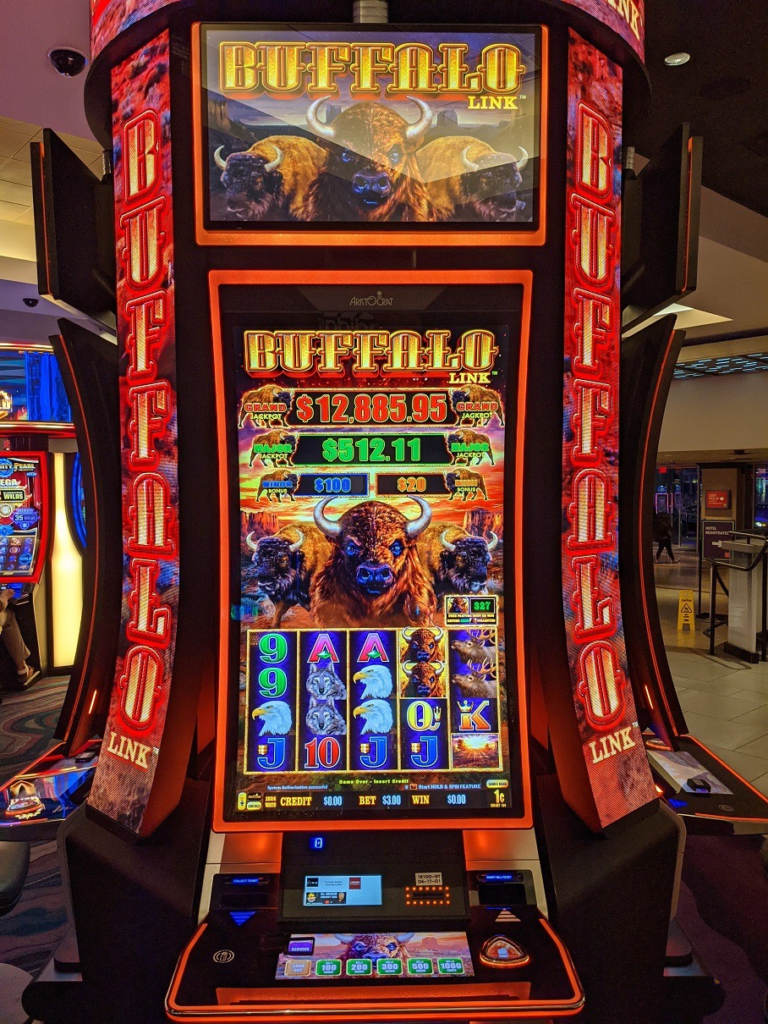
If you’ve ever walked through a casino and noticed a crowd gathered around a slot machine with flashing jackpot meters, chances are you’ve witnessed the excitement of a “Must Hit By” jackpot. Popularized by slot series like Lightning Linkand Dragon Link, these jackpots create a sense of urgency and thrill that few other features can match.

But what exactly does Must Hit By mean, and why do players get so hyped when a jackpot meter creeps toward its limit? Let’s break it down.


What Is a “Must Hit By” Jackpot?

progressive jackpot grows with every spin, usually across multiple machines or games. Traditional progressives can reach life-changing amounts, but they’re unpredictable—there’s no telling when they’ll hit.

That’s where Must Hit By jackpots stand out. These jackpots are programmed to trigger before they reach a certain capped amount. For example, if a Minor jackpot is labeled “Must Hit By $1,000,” it means the prize is guaranteed to pay out before it crosses that threshold.

This mechanic builds suspense because players know the jackpot is statistically “due” as it approaches its maximum limit.


How the Feature Works

Here’s the simple version:

  • Each spin contributes a small amount to the jackpot meter.
  • The jackpot can drop at any time before the displayed cap.
  • The trigger point is randomized within that range, meaning it might hit early or right before the maximum.

Most Must Hit By systems also offer multiple jackpot tiers:

  • Mini (small but frequent)
  • Minor (medium-sized)
  • Major (larger but rarer)
  • Grand (the top prize, often a traditional progressive without a “must hit by” cap)

It’s important to note that while players often believe jackpots hit right before the meter maxes out, the actual trigger could be much earlier. The uncertainty is what keeps people spinning.


Popular Slot Games with “Must Hit By” Jackpots

Several casino favorites use this feature to great success:

  • Lightning Link – Perhaps the most famous, offering engaging free spin rounds and a Hold & Spin bonus.
  • Buffalo Link – Similar to Lightning Link but with themes that appeal to Asian-inspired designs.
  • Ultimate Fire Link – Known for its fireball-triggered features and rising reels.
  • Stand-alone progressive machines – Many casinos also run in-house versions where the Must Hit By jackpots are exclusive to that property.

Online casinos are also adopting this mechanic, bringing the same thrill to players at home.


Why Players Love “Must Hit By” Slots

So, why do people flock to these machines?

  1. Urgency & Excitement – Seeing a jackpot close to its maximum creates a “now or never” feeling.
  2. Perceived Better Odds – Players believe their chances increase as the jackpot meter fills, even though it’s still randomized.
  3. Social Energy – In land-based casinos, a crowd often gathers when a jackpot is “about to hit,” adding to the hype.
  4. Blending Luck with Strategy – Many players watch the meters and wait for the “sweet spot” before jumping in.

The psychological effect is powerful: every spin feels like it could be the one.


Tips for Playing “Must Hit By” Slots

While these games are fun, it’s smart to approach them with a plan.

  • Scout the Jackpots – Look for machines where the meter is close to the “must hit by” cap.
  • Balance Risk vs. Reward – Chasing a small Minor jackpot close to hitting may be safer than holding out for a Major.
  • Set a Budget – The thrill of a looming jackpot can tempt players to overspend. Stick to your bankroll.
  • Don’t Believe the Myths – Jackpots don’t always hit at the last possible dollar. They can (and often do) drop earlier.

The Casino’s Perspective

Why do casinos love these games just as much as players? Simple:

  • Retention – Players stay longer when they think a jackpot is close to hitting.
  • Engagement – Crowds attract even more players, creating a “buzz” around the casino floor.
  • Fairness – Randomized triggers ensure that outcomes are fair, while still giving the appearance of “due” wins.

This balance of psychology, entertainment, and chance is what makes Must Hit By jackpots such a powerful tool for casinos.


Online vs. Land-Based Must Hit By Jackpots

Both environments offer similar thrills, but with some differences:

  • Land-Based Casinos – Players can physically see how close the jackpot is and decide whether to play.
  • Online Casinos – Some platforms let players track multiple jackpots at once, giving more options for “must hit” hunting.

Online play also makes it easier to access these games anytime, but land-based casinos win on atmosphere and shared excitement.


Responsible Gaming Reminder

While the excitement is real, it’s important to remember that Must Hit By jackpots are still games of chance. Winning is never guaranteed, no matter how close the meter looks.

To play responsibly:

  • Decide on a budget before sitting down.
  • Take breaks to avoid overspending.
  • Use casino tools like play limits if available.

The thrill is best enjoyed when you stay in control.


Conclusion

“Must Hit By” jackpots like those found in Lightning Link and Dragon Link have changed the way players experience slot games. By adding a visible ticking jackpot meter, they turn every spin into a high-stakes moment filled with anticipation.

They’re exciting, strategic, and undeniably fun—but always remember that luck is the biggest factor in the outcome. If you approach them with the right mindset and a set budget, these games can deliver hours of entertainment.


FAQ: Must Hit By Jackpots

Q1. Are Must Hit By jackpots easier to win?
Not exactly. They’re still random, but the guarantee of hitting before the maximum makes them feel more achievable.

Q2. Do jackpots always hit at the maximum?
No. They can hit well before the cap. The “must hit by” simply means it won’t go over the limit.

Q3. Which is better: Lightning Link or Dragon Link?
Both are popular. Lightning Link is known for its variety of themes, while Dragon Link often appeals to players who enjoy larger bet ranges and Asian-inspired designs.

Q4. Can you play Must Hit By jackpots online?
Yes. Many online casinos now feature progressive slots with the must hit by mechanic.

Q5. What’s the best strategy for these slots?
Watch for jackpots close to their “must hit by” amount, set a strict budget, and avoid chasing losses.

How Slot Machines Use Perceived Progression to Keep You Playing

Have you ever felt like you were “just one spin away” from hitting the jackpot on a slot machine? That feeling isn’t a coincidence—it’s a clever psychological trick called perceived progression. Slot machines are designed to keep players engaged by creating the illusion of progress toward a big win, even when payouts are small or infrequent. In this post, we’ll break down what perceived progression is, how it works in slots, examples of popular games that use it, and how you can enjoy slots responsibly, whether online or in a casino.

For those craving that slot machine thrill but can’t get to a brick-and-mortar casino, online casinos like BetAnythingprovide the perfect alternative.


What Is Perceived Progression?

Perceived progression is all about making you feel like you’re moving closer to a big win, even if you’re not.

In slot machines, this concept involves creating a sense of advancement through small wins, near misses, or interactive bonus features. Players often interpret these cues as signs that they’re “on a streak” or approaching a jackpot. While actual odds haven’t changed, the illusion of progress encourages longer play sessions.

Why Casinos Love It

For casinos, perceived progression is pure gold. By keeping players engaged longer, they maximize revenue while providing a highly entertaining experience. Frequent small wins, bonus rounds, and near misses all trigger the brain’s dopamine system, making players feel rewarded even when they’re technically losing. This psychological effect is why many slot players lose track of time while spinning reels.


The Mechanics Behind Perceived Progression in Slots

Slot machines combine visuals, sounds, and gameplay mechanics to create a sense of continuous advancement.Here’s how it works in practice:

Frequent Small Wins

Even tiny payouts can feel like a big deal. Slots often reward players with small wins at regular intervals. These wins create momentum, giving players the impression that a larger payout is just around the corner. For example, landing a small combination of symbols might only return a fraction of your bet, but it feels satisfying enough to keep you spinning.

Near Misses

Ever spin the reels and almost hit the jackpot? That “so close” moment is called a near miss, and it’s a deliberate design element. When two jackpot symbols line up and the third is just off, your brain interprets it as a nearly successful outcome. This triggers a desire to keep playing, hoping the next spin will complete the win.

Bonus Rounds and Mini-Goals

Many modern slots include interactive bonus rounds, pick-a-prize games, or free spin challenges. Bonus features act as mini-goals, giving players a sense of advancement toward a reward. Even if the payout is modest, the psychological effect keeps players engaged, believing they’re progressing toward something bigger.

Visual and Audio Feedback

Slot machines aren’t just visual; they’re immersive. Flashing lights, celebratory sounds, and spinning animations amplify the feeling of achievement. Each small win is accentuated with fanfare, making the perception of progress feel even more satisfying.

Online Slots and Leveling Systems

Online slots often take perceived progression to the next level. Many platforms include XP points, streak counters, and leveling systems. Players feel like they’re achieving goals and “leveling up,” even when real money winnings are minimal. This gamified structure encourages continuous engagement and keeps the thrill alive, especially for those playing from home.


Popular Slot Games That Use Perceived Progression

To make it easier to understand, here’s a list of popular slots that leverage perceived progression mechanics:

  • Stampede (Stampede Meter): Fills as you spin, unlocking bonus rounds or multipliers, making players feel a big win is close.
  • Gonzo’s Quest (Avalanche & Multiplier Meter): Consecutive wins increase multipliers, making each avalanche feel like part of a streak.
  • Book of Dead (Free Spins with Expanding Symbols): Triggering free spins acts as a mini-goal; expanding symbols increase anticipation.
  • Thunderstruck II (Valkyrie Bonus & Progressive Meter): Collecting bonus symbols fills meters leading to bonus rounds.
  • Monopoly Megaways (Chance Meter & Bonus Wheels): Players advance through milestones; bonus wheels create the illusion of nearing major rewards.
  • Wheel of Fortune Slots (Bonus Wheel Spins): Each mini-wheel or bonus spin feels like progress toward a jackpot.
  • Lightning Link (Hold & Spin Feature): Special symbols lock in place, creating a visual sense of moving closer to a jackpot.
  • Buffalo Gold (Free Spins & Bonus Meters): Collecting symbols fills bonus meters, giving players a tangible sense of advancement.
  • Cleopatra (Free Spins with Multipliers): Unlocking free spins feels like a reward milestone; multipliers increase perceived value.
  • Divine Fortune (Jackpot Progress Meter): Progressive jackpot meter shows growth, making players feel closer to a win.

These examples show how visual meters, streaks, and mini-goals keep players engaged and motivated to keep spinning.


Why Perceived Progression Works on Humans

It all comes down to psychology. Humans are naturally goal-oriented, and seeing progress—real or imagined—triggers a sense of accomplishment.

  • Dopamine release: Even small wins cause a chemical reward in the brain.
  • Illusion of control: Choosing symbols or spinning at the right moment gives players a sense of agency.
  • Motivation to continue: Near misses and mini-goals convince the brain that the big win is imminent.

This combination of factors makes perceived progression one of the most powerful tools in slot design.


How to Stay Aware as a Player

Understanding perceived progression is the first step to smarter slot play. Here’s how you can enjoy the game without getting trapped by the illusion:

  1. Recognize small-win traps: Accept that tiny wins are part of the game’s psychology.
  2. Set limits: Decide how much time and money you’ll spend before you start playing.
  3. Focus on entertainment: Treat slots as a fun activity rather than a guaranteed way to make money.
  4. Try online alternatives: Platforms like BetAnything let you enjoy the slot experience from home, with less pressure and more flexibility.

By staying aware of these tricks, you can enjoy the excitement of slots while keeping control over your play.


Conclusion

Perceived progression is a powerful tool in slot machines, designed to keep you spinning, but knowledge is your best defense. Small wins, near misses, bonus rounds, and visual feedback all work together to create the illusion of advancement. By recognizing these tactics, setting limits, and focusing on fun, you can enjoy slots responsibly.

For players who want that slot machine thrill without stepping into a brick-and-mortar casino, BetAnything is a perfect choice—offering endless online excitement and the same thrill you’d find on the casino floor.


FAQ

Q1: What is perceived progression in slot machines?
Perceived progression is the feeling that you are advancing toward a win, even when payouts are small or random. It keeps players engaged longer.

Q2: Why do near misses make me want to keep playing?
Near misses trick the brain into thinking a big win is close. This triggers dopamine and encourages continued play.

Q3: How do online slots use perceived progression?
Online slots often include levels, streak counters, and mini-games, creating the sense of advancement even without significant money wins.

Q4: Can I avoid falling for perceived progression?
Yes! Set clear time and budget limits, treat slots as entertainment, and be aware of the psychological tricks at play.

Q5: Where can I play online slots safely?
For a reliable online slot experience, you can try BetAnything, which offers fun games for players who want to enjoy slots from home.

A Typical Day of Betting for a Sharp With a $500 Daily Bankroll: Inside a Professional Sports Betting Workflow

In the world of sports betting, most people focus on what to bet. Sharps focus on something far more important: how to bet.

That distinction is subtle, but it defines everything. While recreational bettors chase highlights, narratives, and “locks of the day,” professional or sharp bettors operate with a structure that resembles a trading desk more than a sportsbook app. Every decision is measured, every wager is sized, and every outcome is logged—not for excitement, but for statistical clarity.

A $500 daily bankroll may sound modest in an industry often associated with outsized risk and flashy wins. Yet within disciplined betting circles, this kind of constraint is not a limitation—it is a control mechanism. It forces precision, eliminates emotional overreach, and encourages long-term thinking.

This article breaks down what a typical day looks like for a sharp bettor managing a $500 daily bankroll, from morning research to final settlement, and how that structure forms the backbone of sustainable betting strategy.

Understanding the $500 Daily Bankroll Framework

A sharp bettor does not view $500 as spending money for the day. Instead, it represents a controlled exposure limit within a larger bankroll system. The distinction is critical.

Daily bankroll versus total bankroll

In professional-style betting, the total bankroll might be significantly larger, but only a small portion is exposed in any single day. A $500 daily limit ensures that even in volatile conditions, the bettor avoids catastrophic drawdowns.

Rather than asking “How much can I win today?” the sharper question is: “How much risk is appropriate given today’s opportunities?”

The role of structure in limiting emotional decisions

Without a predefined limit, betting becomes reactive. Wins encourage overconfidence. Losses trigger chasing behavior. A fixed daily bankroll removes both extremes and replaces them with consistency.

This structure is not about restriction—it is about survival.

The Sharp Bettor Mindset: Process Over Outcome

Before a single bet is placed, sharp bettors adopt a mindset that separates them from the majority of the market: they do not try to predict outcomes—they try to identify mispriced probabilities.

Detaching from results

A bet can be correctly placed and still lose. Likewise, a poorly evaluated bet can win. Over time, the only meaningful metric is whether the bet had positive expected value at the moment of execution.

This is why sharp bettors focus on process. Winning or losing on a given day is less important than whether the system was followed correctly.

Why emotional distance matters

Sports naturally invite emotion. Teams have fanbases, narratives, and momentum swings that feel meaningful. However, sharp bettors deliberately reduce emotional involvement to preserve objectivity.

They are not betting on teams—they are betting on pricing inefficiencies.

Morning Routine: Reading the Market Like a Financial Trader

The sharp bettor’s day begins not with games, but with markets. Odds are reviewed as financial instruments, constantly adjusting to new information.

Opening lines versus current lines

One of the first tasks is comparing opening odds to current market prices. Movement in lines often reveals where public money or sharp action has entered the market.

For example, if an NBA spread opens at -2.5 and moves to -4.5, the sharp bettor asks: was this movement justified by news, or is the market overcorrecting?

Line shopping across sportsbooks

Small differences in pricing matter. A half-point in basketball or a few cents on a moneyline can significantly impact long-term profitability.

  • Book A: Team -3 (-110)
  • Book B: Team -2.5 (-110)

To a casual bettor, this difference is negligible. To a sharp, it is meaningful edge.

Identifying +EV Opportunities: Where the Edge Actually Comes From

At the core of every sharp betting day is one objective: finding positive expected value (+EV) opportunities.

What +EV means in practice

A +EV bet occurs when the bettor believes the probability of an outcome is higher than what the odds imply. This does not guarantee a win, but it guarantees that, over time, the bet is mathematically profitable.

For example, if a bettor estimates a team has a 57% chance to cover a spread implied at 50%, the discrepancy creates value.

Selectivity is a competitive advantage

Sharps do not bet every game. In fact, most games are passed entirely. The absence of a bet is often a stronger signal of discipline than the presence of one.

The goal is not volume—it is precision.

Bankroll Allocation: How $500 Is Structured Across a Day

Once value opportunities are identified, the next step is allocation. This is where discipline transforms theory into execution.

Unit sizing and risk distribution

Most sharp bettors operate on a unit system, typically risking 1% to 2% of bankroll per wager.

  • Conservative bet: $10–$15
  • Standard bet: $15–$20
  • Higher-confidence bet: $20–$25

This prevents overexposure while still allowing meaningful participation in edge opportunities.

Daily risk limits

A key rule is ensuring total daily exposure does not exceed a controlled threshold, often around 10–15% of bankroll. This protects against variance, which is unavoidable even in profitable systems.

Single Bets: The Core Engine of a Sharp Betting Day

Single bets are the foundation of any serious betting approach. They provide clarity, lower variance, and the most direct expression of edge.

Why singles outperform parlays long term

Parlays increase variance and house edge. Each additional leg compounds difficulty and reduces probability of success. Singles, by contrast, allow each edge to stand independently.

This makes evaluation simpler and long-term performance more stable.

Typical sharp betting slate

A $500 bankroll day might include:

  • 3–5 single bets
  • Diverse sports or markets
  • Strict adherence to +EV criteria

The goal is not action—it is selective participation in mispriced lines.

The Optional Parlay Layer: Controlled Upside Exposure

While singles dominate, some sharp bettors allocate a small portion of their day to structured parlays. However, these are not speculative guesses—they are constructed from existing value bets.

The Smarter Bets-style parlay approach

In a disciplined framework, a 3-pick parlay is built only from single bets already identified as +EV. No additional risk is introduced beyond aggregation.

This ensures that each leg has independent justification before being combined.

Strict staking discipline

  • Parlay stake: $5–$10 maximum
  • Frequency: 0–1 per day
  • Purpose: upside, not income

Sharps treat parlays as optional leverage, not core strategy.

Midday Adjustments: Timing and Market Sensitivity

Sports betting markets are dynamic. Value can appear and disappear within hours as news breaks or betting volume shifts.

When timing matters

Early bets often capture better pricing before markets fully adjust. Conversely, late bets may benefit from confirmed information such as lineup announcements.

The sharp bettor constantly balances timing against certainty.

Reacting without overreacting

Not every line movement is meaningful. One of the hardest skills is distinguishing between real information and noise-driven market swings.

Evening Execution: Watching Without Interference

Once bets are placed, execution ends and observation begins. This is where discipline is tested most.

Avoiding live betting traps

Live betting introduces emotional bias. Momentum shifts feel significant but often have little predictive value. Sharp bettors avoid reacting impulsively to in-game swings.

Trusting pre-game analysis

The value was determined before the game began. Once the bet is placed, the reasoning does not change—even if the scoreboard does.

Post-Game Review: Measuring Edge, Not Outcomes

At the end of the day, performance is not judged by wins and losses, but by whether the process was correct.

Closing line value (CLV)

One of the most important metrics is whether the bettor consistently beat the closing line. If the market moves in favor of the bettor after their wager, it is often a sign of long-term edge.

Building a performance log

Serious bettors track:

  • Bet type and odds
  • Stake size
  • Closing line comparison
  • Outcome vs expectation

This transforms betting from guessing into feedback-driven refinement.

Common Mistakes That Break Even Good Systems

Even disciplined bettors can undermine their own systems through behavioral errors.

  • Increasing stakes after losses
  • Overusing parlays for excitement
  • Ignoring line shopping opportunities
  • Betting too many games without edge

Most failures are not mathematical—they are psychological.

Frequently Asked Questions

Is a $500 daily bankroll enough to be profitable?

Yes, but profitability depends on discipline and edge, not bankroll size. A structured approach can scale gradually over time.

How many bets should a sharp bettor make per day?

Typically 3–5 single bets, depending on available +EV opportunities. Many games are skipped entirely.

Are parlays ever part of a sharp strategy?

Yes, but only as small, optional positions built from existing +EV singles—not as primary bets.

What is the most important skill in sports betting?

Bankroll management and discipline are more important than prediction ability. Without them, even good picks fail.

Why do most bettors lose money?

Most bettors lose due to emotional decision-making, lack of structure, and overreliance on high-variance bets like parlays.

What does +EV actually guarantee?

+EV does not guarantee short-term wins. It ensures profitability over a large sample of bets if executed consistently.

Conclusion: Discipline Is the Real Edge in Sports Betting

A $500 daily bankroll does not limit a sharp bettor—it defines their discipline. Within that constraint, every decision becomes intentional, every wager is justified, and every outcome contributes to a larger statistical picture.

Over time, success in sports betting is not determined by dramatic wins or lucky streaks. It is determined by consistency, structure, and the ability to stay aligned with a process even when variance turns against it.

The sharp bettor’s advantage is not prediction—it is discipline. And in a market driven by emotion, that remains the rarest edge of all.

The Smarter Bets AI Approach: How Data-Driven Bettors Are Redefining Sports Betting With Singles and 3-Pick Parlays

Sports betting has quietly evolved from a pastime driven by instinct and loyalty into a data-heavy discipline that increasingly resembles financial trading. Where once a “gut feeling” could carry a bettor through a weekend slate, today’s most consistent performers rely on structure, probability modeling, and strict bankroll discipline.

Yet despite the rise of analytics, most bettors still lose. Not because they lack access to information, but because they lack a system for using it. That gap—between information and execution—is where a new wave of tools and strategies has emerged, including the Smarter Bets AI approach, which blends disciplined single bets with carefully structured 3-pick parlays.

This is not a story about chasing jackpots. It is about building a repeatable framework that prioritizes long-term expected value while allowing for controlled upside through parlays. In a market where emotional decisions often dominate, structure has become the real edge.

The Modern Sports Betting Landscape: From Intuition to Information

Sports betting has never been more accessible—or more competitive. Thousands of wagers are placed every second across global sportsbooks, with odds adjusting in real time based on betting volume, injuries, and sharp money movement.

The rise of real-time pricing and efficiency

Sportsbooks today operate like algorithmic marketplaces. Lines are no longer static opinions; they are dynamic prices shaped by complex models and market behavior. As a result, inefficiencies are smaller, and edges are harder to find.

This shift has created a divide between casual bettors and structured bettors. The former rely on narratives and intuition. The latter search for mispriced probabilities—small discrepancies between a team’s true likelihood of winning and the odds offered by the market.

Why most bettors still lose

Despite increased access to data, most bettors fail for three primary reasons:

  • They bet without a defined system
  • They overvalue parlays and long-shot outcomes
  • They fail to manage bankroll risk consistently

The result is predictable: short-term wins followed by long-term erosion of capital. In contrast, structured bettors focus on process over outcomes.

Introducing the Smarter Bets AI Framework

The Smarter Bets AI framework is built on a simple but powerful idea: every bet should originate from a justified edge, not from entertainment value or emotion.

At its core, the system separates betting into two layers:

  • Single bets as the primary engine of profitability
  • 3-pick parlays as controlled, high-variance upside plays

Importantly, the system does not treat parlays as standalone speculation. Instead, each parlay is constructed only from pre-qualified single bets. This ensures that every leg already carries independent value.

Single Bets: The Foundation of Long-Term Profitability

If sports betting is comparable to investing, then single bets are the equivalent of a diversified stock portfolio. They are not glamorous, but they are essential.

Why singles outperform over time

Single bets reduce variance and allow for clearer evaluation of edge. A bettor may win only 55% of wagers, but still be profitable if those bets are consistently placed at favorable odds.

This concept, known as expected value (+EV), is the backbone of professional betting. It focuses not on whether a bet wins or loses, but whether it was mathematically justified at the time it was placed.

What +EV actually looks like in practice

Imagine a bettor believes a basketball underdog has a 55% chance to cover the spread. If the sportsbook odds imply only a 50% probability, the bettor has identified a positive expected value opportunity—even though the bet may still lose in the short term.

This distinction separates disciplined bettors from recreational ones.

The Role of 3-Pick Parlays in a Structured System

Parlays are often misunderstood. For most bettors, they represent an emotional shortcut to larger payouts. For structured bettors, however, they serve a different purpose: controlled exposure to upside.

How Smarter Bets AI uses parlays differently

In the Smarter Bets AI framework, 3-pick parlays are not built from random selections. They are constructed exclusively from single bets already identified as having positive expected value.

This approach ensures that each leg of the parlay is independently justified before being combined.

The discipline of constraint

There are strict rules:

  • No parlay-only picks
  • No forced combinations
  • No correlation stacking from the same game (in most cases)

The goal is not to maximize frequency of wins, but to preserve mathematical integrity while allowing for occasional high-return outcomes.

Bankroll Management: The Silent Determinant of Success

Even the most accurate betting model will fail without proper bankroll management. This is where most bettors unknowingly sabotage themselves.

The importance of unit sizing

Professional-style bettors typically risk only a small percentage of their bankroll per wager—often between 1% and 2% for single bets, and significantly less for parlays.

This creates survival capacity during inevitable losing streaks, which are statistically unavoidable even in profitable systems.

Why emotional scaling destroys accounts

One of the most common mistakes is increasing bet size after a win or loss streak. This introduces inconsistency, turning a statistical system into emotional gambling.

A Daily Workflow for Structured Betting

Consistency in execution is what transforms theory into results. A structured daily workflow removes guesswork and reduces emotional interference.

Step-by-step betting process

  • Identify potential +EV opportunities across markets
  • Place single bets first, based on edge
  • Select 3 strongest independent bets for parlay construction
  • Log all wagers for tracking and analysis

This sequence ensures that parlays are a derivative of sound decisions, not speculative additions.

Case Study: A Structured Betting Day in Practice

Consider a bettor analyzing a typical NFL and NBA slate. After reviewing projections and line movements, they identify four opportunities:

  • NFL underdog +6.5 (model projects +4.5)
  • NBA over 218.5 (model projects 223)
  • MLB moneyline underdog with pitching edge
  • NBA spread mismatch on defensive matchup

Each of these is placed as a single bet with defined unit sizing. From this pool, the bettor constructs a 3-pick parlay using three of the strongest independent edges.

The result is a system where risk is defined, not improvised, and upside is preserved without compromising structure.

Common Mistakes That Undermine Even Good Systems

Even disciplined bettors fall into predictable traps that erode long-term profitability.

  • Overusing parlays as primary strategy
  • Ignoring line shopping across sportsbooks
  • Chasing losses after short-term downturns
  • Failing to track historical performance

Each of these mistakes introduces noise into what should be a clean, measurable system.

The Role of AI and Tools in Modern Betting

Artificial intelligence has become an increasingly important part of sports betting analysis. While no model can guarantee outcomes, AI-driven tools can help identify inefficiencies faster and more consistently than manual observation alone.

This is where platforms like Smarter Bets AI aim to fit into the ecosystem—providing structured insights that support decision-making rather than replacing it.

By combining data analysis with disciplined execution, bettors can reduce reliance on intuition and focus more on probability-based decisions.

Learn more at www.smarterbetsapp.com.

Building a Sustainable Betting Mindset

Perhaps the most overlooked component of betting success is psychology. Even with a strong system, emotional discipline determines execution quality.

Winning bettors think in terms of hundreds of bets, not individual outcomes. Losing bettors focus on the last wager. This difference in time horizon often determines long-term results more than any model or strategy.

Frequently Asked Questions (FAQ)

Is the Smarter Bets AI system guaranteed to make money?

No system can guarantee profit in sports betting. The goal is to identify +EV opportunities and apply disciplined bankroll management to improve long-term consistency.

Why use both single bets and parlays?

Single bets provide stability and long-term edge realization, while 3-pick parlays offer controlled upside using the same underlying selections.

How many bets should I place per day?

This varies, but most structured bettors focus on a small number of high-quality single bets, typically 3–6 per day, plus one optional parlay.

What bankroll size should I start with?

A starting bankroll between $1,000 and $5,000 is common for disciplined beginners, with 1–2% unit sizing for singles.

Why do most bettors lose money?

Most bettors lose due to emotional decision-making, poor bankroll management, and overreliance on parlays rather than structured +EV betting.

Can AI really improve betting performance?

AI can assist in identifying patterns and inefficiencies, but it does not eliminate risk. Human discipline remains essential for execution.

Conclusion: Structure Is the Real Edge in Sports Betting

In an increasingly efficient betting market, success is no longer defined by who can predict the most winners. It is defined by who can consistently identify value, manage risk, and execute without emotional interference.

The Smarter Bets AI framework reflects this evolution. By combining disciplined single bets with carefully structured 3-pick parlays, it creates a system that balances stability with opportunity.

Ultimately, sports betting is not about certainty. It is about probability, process, and discipline. Those who treat it as such are far more likely to survive—and potentially thrive—in the long run.

For bettors looking to explore a more structured approach, visit www.smarterbetsapp.com and learn how data-driven betting strategies are reshaping the modern sports betting landscape.

Why 3-Pick Parlays Are the Sweet Spot for Smarter Betting

Sports betting has long captivated millions, offering the allure of turning a modest stake into a substantial payout. Yet, for every big win, countless bettors have felt the sting of missed opportunities, poorly timed bets, and misjudged odds. In this crowded landscape, one strategy consistently rises above the noise: the 3-pick parlay. By balancing risk and reward, these carefully curated parlays offer a practical, data-driven path to consistent profits—especially when paired with modern AI insights like those from the Smarter Bets AI App.

In this article, we’ll explore why 3-pick parlays are widely regarded as the sweet spot for sports betting, break down their advantages, and provide actionable strategies for maximizing your returns while mitigating risk.

Understanding Parlays: The Basics

Before diving into the advantages of 3-pick parlays, it’s essential to understand what parlays are and why they captivate bettors.

How Parlays Work

A parlay combines two or more individual bets into a single wager. The appeal lies in the fact that the payout multiplies as more selections are added. However, there’s a catch: every single pick must be correct for the parlay to win. A single loss means the entire bet is lost.

Consider a simple scenario: you place a 3-pick parlay on three NBA games—Boston Celtics to beat Miami, Golden State Warriors to beat Dallas, and Milwaukee Bucks to beat Chicago. Each bet individually may seem safe, but linking them together exponentially increases the potential payout while introducing the need for precision.

The Allure of Big Payouts

Parlays are inherently attractive because of their potential to generate outsized rewards from modest stakes. A $10 bet on a well-constructed 3-pick parlay can return multiples of the original stake, offering the thrill of high returns without the necessity of a massive bankroll. This combination of accessibility and upside is what keeps both casual and professional bettors engaged.

Why 3-Pick Parlays Hit the Sweet Spot

While parlays of five, six, or even more picks promise astronomical payouts, they are notoriously difficult to hit. Enter the 3-pick parlay—a strategic balance between risk and reward.

Better Odds Than Large Parlays

The probability of winning decreases sharply with each added selection. For example, if each pick has a 50% chance of winning, a 3-pick parlay carries a 12.5% chance of success (0.5 x 0.5 x 0.5). Compare this with a six-pick parlay, which drops to just 1.56%. Three picks, therefore, strike a practical balance, offering higher odds of consistent wins without sacrificing meaningful payouts.

Higher Consistency and ROI

Consistency is key in betting. A 3-pick parlay can be repeated daily, tracked, and optimized. Over a month, consistent, smaller wins often outpace the occasional huge payout from long-shot parlays. For example, a daily $10 3-pick parlay bet that hits even 20–25% of the time can outperform a sporadic $50 six-pick parlay, both financially and psychologically.

Easier to Research and Track

Analyzing trends, odds, and team performance is much more manageable with three picks. Bettors can dedicate attention to the quality of each selection rather than spreading themselves thin. Using AI-powered insights, such as those from the Smarter Bets AI App, can further streamline research, providing daily curated 3-pick parlays built from real data, real trends, and real odds.

How to Build Smart 3-Pick Parlays

Building a winning 3-pick parlay isn’t guesswork—it’s a strategic process grounded in data and trends.

Focus on Real Data and Trends

Forget gut feelings. Successful bettors examine team stats, player form, and historical performance. For instance, if a team has won 8 of its last 10 home games, that trend can inform your pick. AI tools can automate this process, scanning thousands of historical matchups to surface the most promising selections.

Use Odds to Your Advantage

Odds tell a story. Betting on a favorite might seem safe, but value often lies in underdogs with high potential and favorable circumstances. Calculating implied probability and identifying bets with positive expected value ensures you’re making informed, data-backed decisions rather than guessing blindly.

Prioritize Consistency Over Big Wins

Large parlays can be enticing, but frequent losses quickly erode bankrolls. Focusing on smaller, daily 3-pick parlays promotes steady growth and reduces stress. For example, tracking daily wins over a month can help you identify patterns, optimize selections, and steadily increase ROI.

How Smarter Bets AI Helps You Win Smarter

Modern sports betting has evolved beyond simple spreadsheets and gut instincts. AI-driven tools like the Smarter Bets AI App offer an edge by analyzing massive datasets to deliver actionable, daily 3-pick parlays.

AI-Powered Picks

Smarter Bets AI scans real odds, trends, and historical data to generate the most promising parlay for the day. This reduces human error and ensures selections are grounded in evidence, not emotion.

Easy-to-Use App Interface

No need for complicated spreadsheets or confusing analytics dashboards. The app delivers your daily 3-play parlay directly to your device, ready to bet. Screenshots and clear instructions guide users step by step, making it accessible for beginners and pros alike.

Track Your Wins and Optimize Strategy

Monitoring your betting history and ROI is crucial. Smarter Bets AI tracks past selections, helping you refine your strategy and identify trends over time, turning insights into actionable intelligence.

Tips for Maximizing 3-Pick Parlays

Even with AI support, applying best practices improves results.

  • Bet Within Your Bankroll: Never risk more than you can afford to lose.
  • Mix Favorites and Value Picks: Diversify selections to balance risk and potential reward.
  • Stay Updated on Late News: Injuries, weather, and lineup changes can impact outcomes.
  • Leverage AI Daily: Use daily curated picks from Smarter Bets AI to save time and increase accuracy.

Common Mistakes to Avoid

Even experienced bettors can slip up. Watch out for these pitfalls:

  • Chasing losses with large parlays.
  • Ignoring odds and betting solely on favorites.
  • Placing too many parlays at once.
  • Neglecting data and trend analysis.

FAQ: 3-Pick Parlays

What is a 3-pick parlay?

A 3-pick parlay is a single wager combining three individual bets. All three selections must win for the parlay to pay out.

Why are 3-pick parlays considered the sweet spot?

They offer a balance between risk and reward: higher probability of winning than larger parlays while still delivering meaningful payouts.

Can I rely on AI for daily picks?

Yes. Tools like Smarter Bets AI analyze real data, trends, and odds to generate daily 3-pick parlays, helping reduce human error and streamline research.

How much should I bet on a 3-pick parlay?

Always bet within your bankroll. Small, consistent bets are better than chasing huge payouts that rarely hit.

Are parlays riskier than single bets?

Yes, because all picks must win. However, a 3-pick parlay is significantly less risky than long parlays with five or more picks.

Conclusion

3-pick parlays represent a practical, smart approach to sports betting. They combine manageable risk with substantial potential payouts and are far easier to research and track than large, high-risk parlays. By leveraging AI-powered tools like the Smarter Bets AI App, bettors can access curated daily picks grounded in real data, real trends, and real odds. Whether you’re a casual bettor or a seasoned player, focusing on 3-pick parlays can maximize consistency, improve ROI, and make sports betting a more enjoyable, data-driven experience.

Start building smarter bets today with AI-powered 3-play parlays → Smarter Bets AI App

How to Win So Much in Blackjack They Tell You “Color Up—Your Play Isn’t Welcome Here”

Every blackjack player has heard the stories—someone wins so consistently that the casino politely (or not so politely) asks them to leave the table. The phrase “color up” isn’t just casino jargon—it’s the subtle nod that you’ve crossed from casual player into someone whose skill cannot be ignored.

But what does it really take to reach that level? And is it even realistic for the average player? In this article, we break down the strategies, techniques, and mindset required to play blackjack at a level that commands attention, without venturing into reckless or illegal territory.

What Does “Color Up” Really Mean?

Before chasing the dream, it’s important to understand what “color up” actually means in a casino environment. In most cases, it simply refers to exchanging smaller chips for larger denominations. But in some contexts, it’s a polite—and sometimes subtle—signal from the dealer or pit boss that your winning streak has caught the casino’s eye.

  • Coloring up often happens when a player is leaving a table.
  • It can indicate that the casino is monitoring you closely.
  • Repeatedly being asked to color up may precede a back-off from the game.
  • Understanding these signals is crucial for any serious player.

The Truth: You Don’t Beat Blackjack With Luck

Despite what movies or myths might suggest, long-term success in blackjack is never about luck—it’s about discipline, strategy, and understanding probability. Unlike slot machines or roulette, blackjack is one of the few casino games where the house edge can be reduced to fractions of a percent with the right techniques.

Consistently winning requires a combination of skill, awareness, and patience. Those who rely solely on chance often find that streaks of luck can evaporate in minutes, leaving only frustration and losses behind.

Mastering Basic Strategy (Your Foundation)

If you’re not using basic strategy, you’re essentially donating money to the casino. This mathematically proven set of rules tells you exactly how to play every hand to minimize the house edge.

What Is Basic Strategy?

Basic strategy covers decisions for every possible hand and dealer upcard combination:

  • Hit, stand, double down, or split
  • Adjustments based on dealer’s visible card
  • Minimizes house edge to under 1%

Memorizing and consistently applying this strategy is non-negotiable for anyone serious about winning.

Card Counting: The Real Edge

To move from casual player to someone whose wins prompt a “color up,” you need more than basic strategy—you need an edge. Card counting is the tool that gives skilled players the ability to tilt the odds slightly in their favor.

Simple Hi-Lo System

The Hi-Lo counting system is straightforward but powerful:

  • Assign values to cards: 2–6 = +1, 7–9 = 0, 10–Ace = -1
  • Keep a running count as cards are dealt
  • Positive count = player advantage; negative count = dealer advantage
  • Adjust bet sizes based on the count

Card counting is not illegal, but casinos frown upon it. Discretion is essential.

Bet Sizing: Where the Money Is Made

Knowing when to bet big is just as important as knowing how to play your hand. Skilled players use the count to increase their bets when the odds favor them and reduce them when the count is negative.

  • Start with small bets at neutral or negative counts
  • Increase bets proportionally with a positive count
  • Keep increases subtle to avoid detection
  • Controlled aggression maximizes profits while minimizing attention

Bankroll Management: Staying in the Game Long Enough to Win

Even the best players lose sessions. Proper bankroll management separates winners from the rest. Without it, a single streak of bad luck can wipe out weeks of gains.

  • Set strict session limits
  • Only risk a small percentage of total bankroll per bet
  • Avoid chasing losses at all costs
  • Plan for variance; expect swings even with correct play

How Casinos Spot Winning Players

Casinos aren’t in the business of losing money. They pay close attention to players who consistently win using strategy.

  • Bet spread patterns that correlate with favorable counts
  • Consistent, optimal decision-making that reduces mistakes
  • Long, uninterrupted play sessions with increasing bets
  • Subtle behavior patterns that indicate disciplined play

The “Back-Off”: When the Casino Pushes Back

If you win enough—or do it in a way that is noticeable—you may experience a “back-off.” Casinos can ask skilled players to stop playing blackjack, often politely. The color-up may precede this, signaling that your winning streak has drawn attention.

  • You may still play other games, but your blackjack sessions can be limited.
  • Being back-offed is a recognition of skill, not a punishment.
  • Understanding casino etiquette is key to staying discreet.

Realistic Expectations: How Much Can You Actually Win?

It’s important to separate fantasy from reality. Even with perfect play and card counting, blackjack is a game of small edges and consistent play.

  • Expect incremental gains over time, not instant jackpots
  • Long-term success requires discipline and focus
  • High-volume play increases the probability of realizing your edge

Common Mistakes That Keep Players Losing

Most players never come close to winning consistently because they fall into predictable traps:

  • Ignoring basic strategy
  • Betting emotionally instead of mathematically
  • Chasing losses after a bad streak
  • Playing for too long without breaks

Playing Smart Without Drawing Attention

If your goal is to win consistently, blending in is just as important as playing correctly. Casinos watch patterns closely, and discretion can make the difference between walking away with profits and being asked to leave.

  • Act like a casual player
  • Don’t overreact to wins or losses
  • Keep bet increases subtle
  • Avoid predictable patterns

Frequently Asked Questions (FAQ)

Can you really get banned for winning at blackjack?

While outright banning is rare, casinos can limit play or ask you to leave if you consistently win using advantage play. Most of the time, it’s a polite nudge rather than a confrontation.

How long does it take to learn card counting?

For dedicated players, basic counting can be learned in a few weeks, but mastering it under real casino conditions takes months of practice and discipline.

Do casinos track players?

Yes. Casinos monitor betting patterns, playing consistency, and behavior to identify skilled advantage players.

Is blackjack the best game to beat?

Compared to games like roulette or slots, blackjack offers one of the lowest house edges and the best opportunities for strategic play.

Can beginners actually win consistently?

Beginners can reduce losses by following basic strategy, but consistent winning requires mastery, discipline, and sometimes card counting.

What’s the biggest risk of trying to win too much?

The biggest risk is overexposure: long streaks of losses or drawing unwanted attention, which can limit your play and affect bankroll.

Conclusion: The Real Meaning of “Winning Too Much”

Hearing “color up” isn’t about luck—it’s a recognition that you’ve crossed from casual player into someone whose skill commands attention. Blackjack mastery combines mathematical precision, disciplined bankroll management, and keen awareness of casino behavior.

While no strategy guarantees wealth, disciplined players can consistently reduce the house edge, manage risk, and occasionally prompt that subtle nod from the casino: the phrase that tells you, for a moment, that you’ve played better than almost anyone else at the table.